
Spore Scouts wanted! Get involved with LLS-ERASED
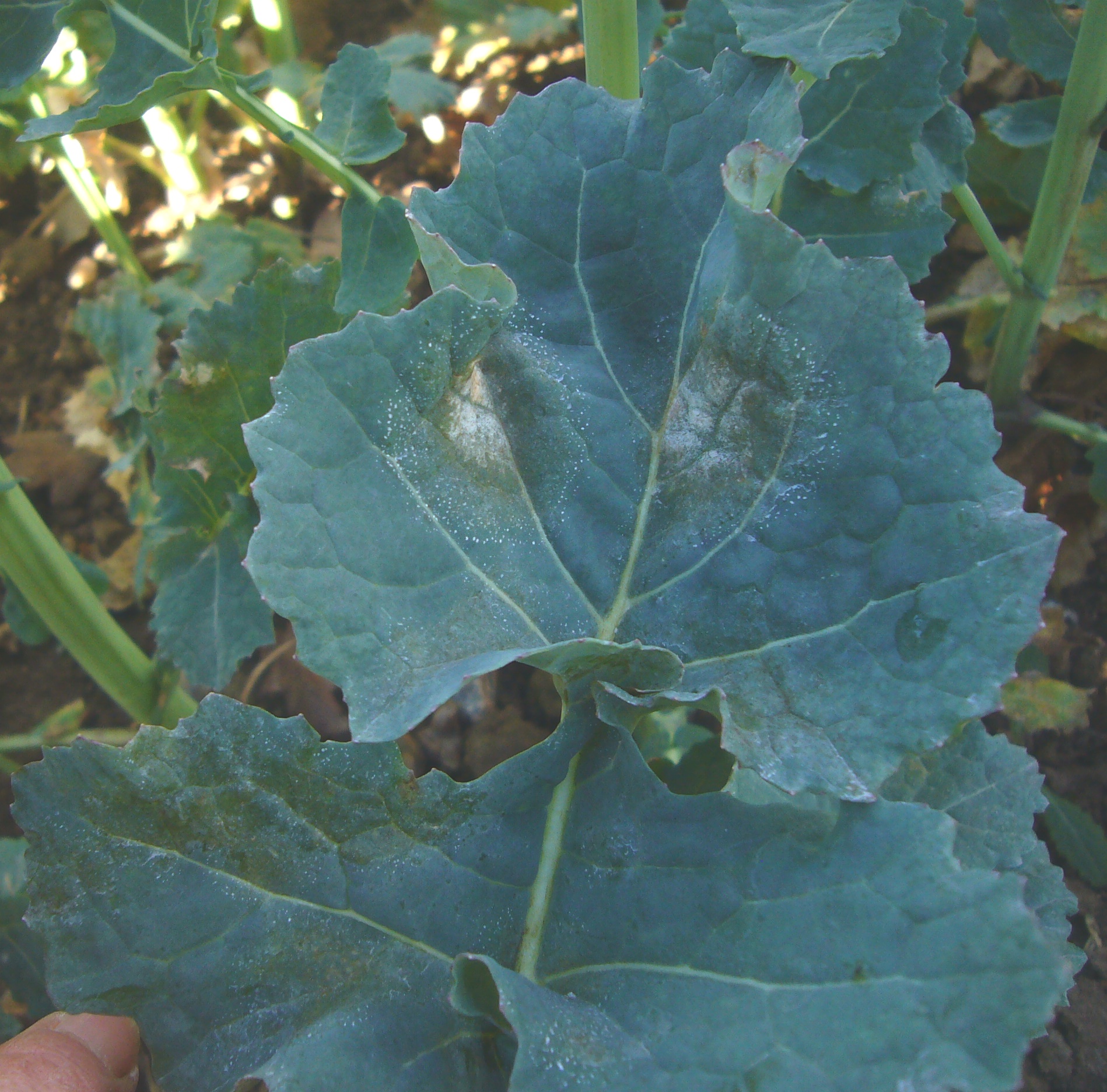
A new farmer-led research project is calling on oilseed rape growers to help improve understanding of the crop’s number one disease by sending in affected leaf samples before the end of April.
The ‘Spore Scout’ study is investigating how light leaf spot is changing across regions and seasons, which factors are linked to higher risk, and how the disease can be controlled more effectively. It will run from today [26 March] until 30 April and be repeated in 2027 and 2028.
The study is part of LLS-ERASED, a three-year £2.5m farmer-led project funded by Defra’s Farming Futures R&D fund. Led by the British On-Farm Innovation Network (BOFIN) it brings together farmers, plant breeders, crop scientists and agronomists to tackle light leaf spot using precision breeding alongside new disease-management tools.
By sending in leaves from their oilseed rape crops over the next month, growers will contribute vital evidence of the spread of the disease, explained Yongju Huang, Professor of plant pathology at the University of Hertfordshire.
Prof Huang said: “Plants are normally infected by the pathogen in the autumn, but symptoms are often not visible until the spring.
“We are keen to receive samples from growers across the UK to help us understand variations in pathogen virulence towards cultivar resistance. This will be important for the development of control strategies and deployment of cultivars in regions where the pathogen population is predominantly avirulent towards cultivar’s resistance.”
Samples will be collected and analysed over the three years of the project and results used to inform the development of a decision support system which will integrate pathogen population data with real-time risk forecasting.
Tom Allen-Stevens, Oxfordshire farmer and managing director of the British On-Farm Innovation Network (BOFIN) said: “Yield losses from light leaf spot are increasing so this project couldn’t come soon enough.
“By sending in samples growers are directly contributing to research that will improve how we understand and manage the disease. The more samples we receive the stronger the data and the more useful the results will be for all growers.”
Farmers and agronomists wishing to take part should register online to receive a sampling pack including instructions, packaging and a pre-paid return envelope.
To register for a pack visit https://tinyurl.com/SporeScout