
Categories
LLS-ERASED

BOFIN and OSR Reboot 

LLS-ERASED partners back OSR Reboot to restore confidence in oilseed rape

Partners in the LLS-ERASED project have pledged support for the OSR Reboot campaign, putting farmer-led research at the centre of efforts to revive UK oilseed rape production. 

The industry-wide OSR Reboot initiative, led by United Oilseeds, was launched in 2024 with the ambition of reversing years of decline in the crop by bringing together growers, researchers and the supply chain around practical, science-based solutions. 

Led by the British On-Farm Innovation Network (BOFIN), LLS-ERASED, a three-year £2.5m Defra-funded programme tackling light leaf spot, widely regarded as the most economically damaging disease in UK oilseed rape. Other partner organisations include the John Innes Centre, ADAS, University of Hertfordshire and UK Agri-Tech Centre – and alongside BOFIN they are working to advance precision-bred lines with reduced susceptibility to the disease, and develop forecasting tools to improve understanding and support more targeted control.  

BOFIN founder and LLS-ERASED project lead Tom Allen-Stevens said: “OSR Reboot is exactly the sort of collaborative initiative that will make a material difference for prospects for the crop as the industry works together to find innovative but practical solutions. 

“LLS-ERASED directly supports the three OSR Reboot pillars – agronomy, breeding and policy – and we look forward to sharing what we learn over the three years of the project.” 

James Warner, managing director of United Oilseeds: “It’s great to see both industry and government continuing to invest in projects like LLS-ERASED to tackle disease challenges in this important home-grown crop. Over the past two years, the OSR Reboot has worked hard to bring the industry together, developing initiatives such as the 10 strategies for managing cabbage stem flea beetle in oilseed rape and supporting projects like CSFB Research+. 

“However, all this positive work risks being undermined unless we continue to improve our understanding and management of light leaf spot. That’s why it’s so encouraging to see the British On-Farm Innovation Network leading this important new project, bringing growers, researchers and breeders together to help secure the long-term future of UK OSR.” 

The OSR Reboot campaign sets out a roadmap for recovery, including its 10 shared strategies for OSR success, which highlight actions such as improving establishment, adopting integrated pest management and testing different management approaches.  

It aims to increase the knowledge around oilseed rape production to help tackle some of the major challenges faced by growers, particularly pest and disease management. For more information visit https://www.unitedoilseeds.co.uk/osr-reboot

Categories
Event SLIMERS Uncategorized

BOFIN West Inspiration Day 2026

Collaboration and innovation at the BOFIN West Inspiration Day

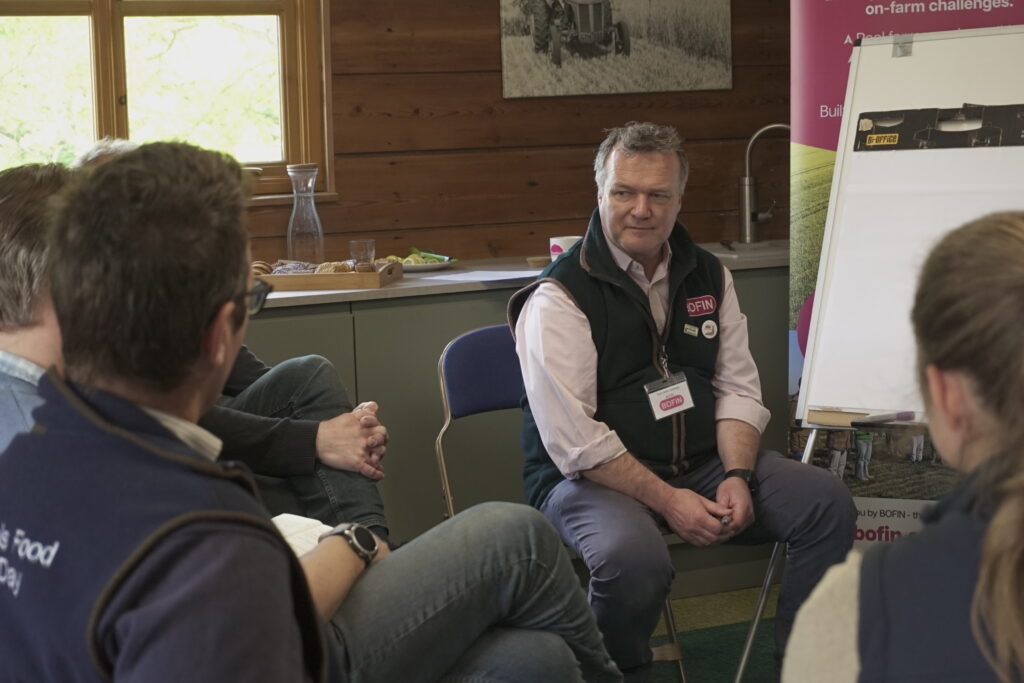
BOFIN founder Tom Allen-Stevens hosted the second BOFIN Inspiration Day of the year, welcoming attendees from across farming, environment, research and policy.

The Oxfordshire farm provided the ideal backdrop for discussions ranging from natural flood management and landscape recovery to farmer-led research and sustainable slug control.

Hosted jointly with the Ock Catchment Farmer Cluster, the day began with an introduction to the cluster’s ambitious Landscape Recovery bid, one of the largest applications submitted to date. Attendees also heard about Oxfordshire’s Local Nature Recovery Strategy before heading into the field to explore natural flood management practices currently in place at Wicklesham Lodge Farm.

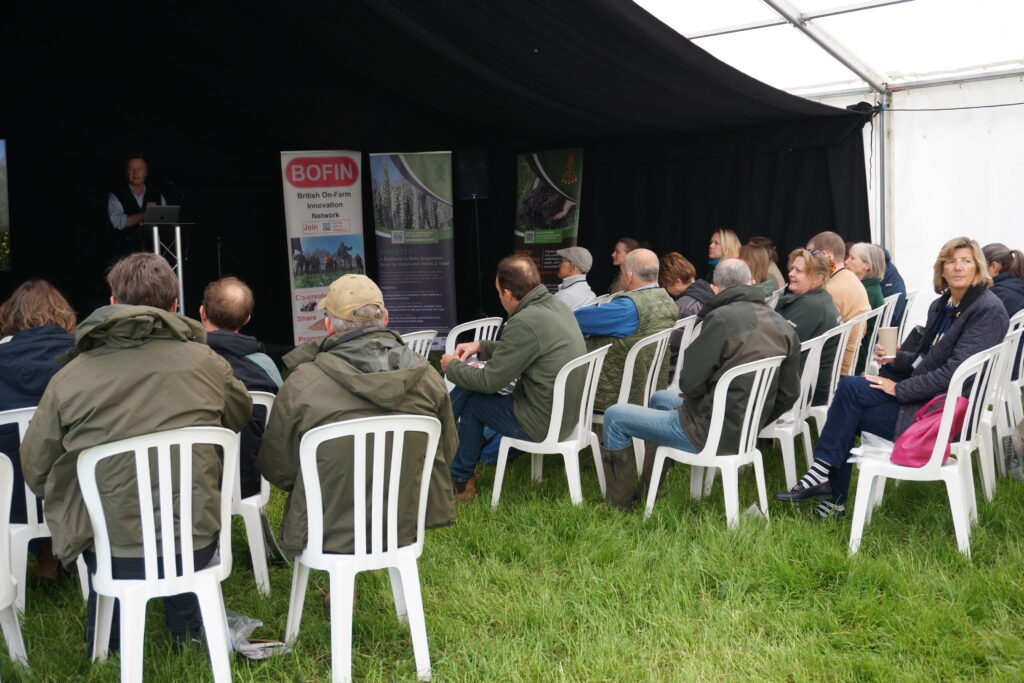
Back at the “marquee of marvel”, Professor Keith Walters (Harper Adams University) shared results from the SLIMERS project, which concludes this summer.

Keith outlined how the project’s slug patch prediction model was developed using three years of farmer-collected Slug Sleuth data, highlighting the crucial role farmers played in building the maps and improving understanding of slug pressure in commercial fields.

A key theme throughout the session was the value of farmer-led innovation, with Keith stressing that farmers are best placed to drive practical agricultural research and real-world innovation.

For more visit www.slimers.co.uk

Categories
Event

BOFIN East Inspiration day 2026

TRUTH project takes centre stage at BOFIN East Inspiration Day

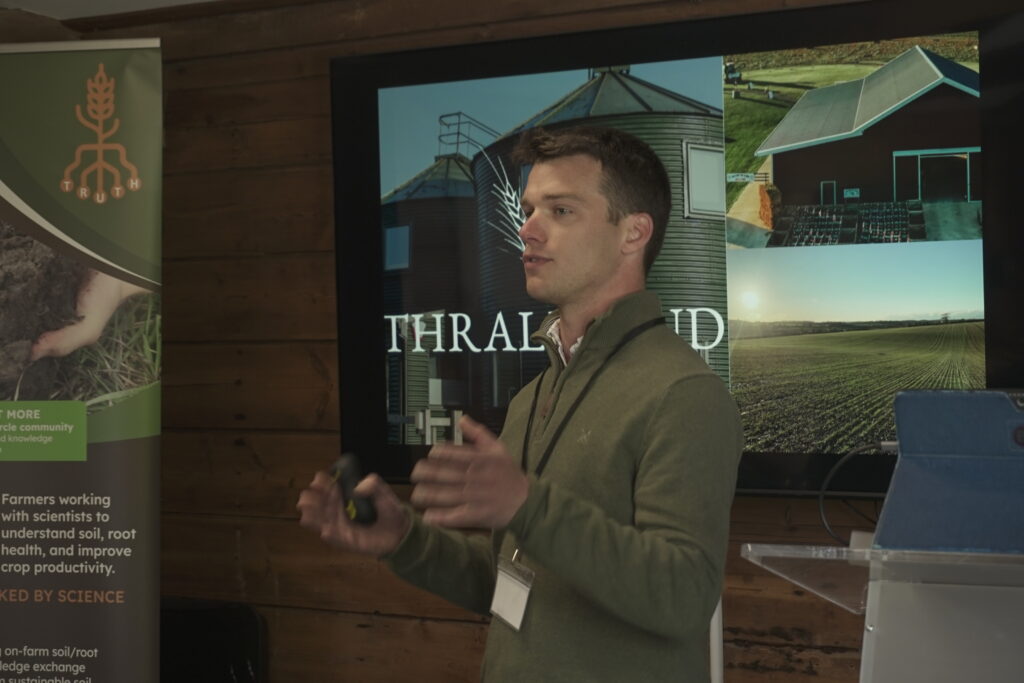
The sun shone for a fantastic day at Thrales End Farm as BOFIN welcomed farmers, growers and researchers from across the region, and further afield, for the first Innovation Day in this year’s series.

Kindly hosted by Thrales End Farm in Hertfordshire, the day centred around the TRUTH project (Thriving Roots Underpinning Total soil Health), bringing together practical farm experience and scientific insight to explore the importance of soil and root health in sustainable farming systems.

Kicking off the day, Thrales End Farm Manager Ted Allen-Stevens gave attendees an overview of the farm and shared his experiences as part of the TRUTH project, including the role on-farm trials are playing in shaping future approaches to soil management.

Zara Northern of Hutchinsons then treated the group to an engaging session on soil biology and chemistry, using a live soil slaking demonstration to highlight the incredible work happening beneath the surface and reinforce the importance of healthy soils in resilient farming systems.

The morning continued with David Exwood introducing SOILSHOT, an approach proposed through the Farm Profitability Review focused on accelerating soil health improvement through farmer-led trials, practical measurement and outcome-based management to improve resilience and profitability on farm.

Attendees then took part in an interactive workshop exploring how SOILSHOT could be implemented in practice. The discussion generated a huge variety of ideas and perspectives, ranging from introducing a “soil personal trainer” for farmers to widening the remit of SFI soil testing. The session provided plenty of food for thought and sparked lively debate across the room.

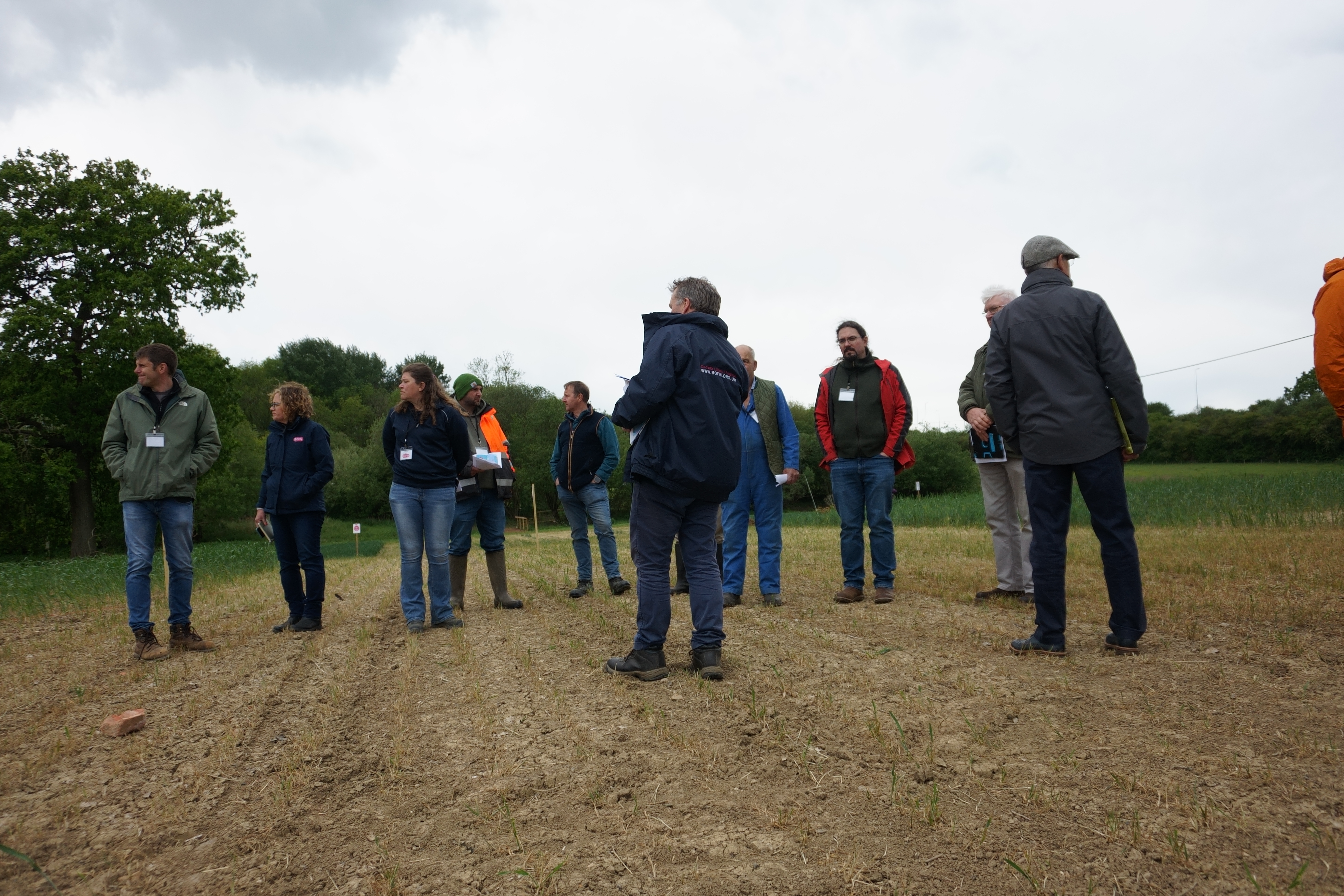
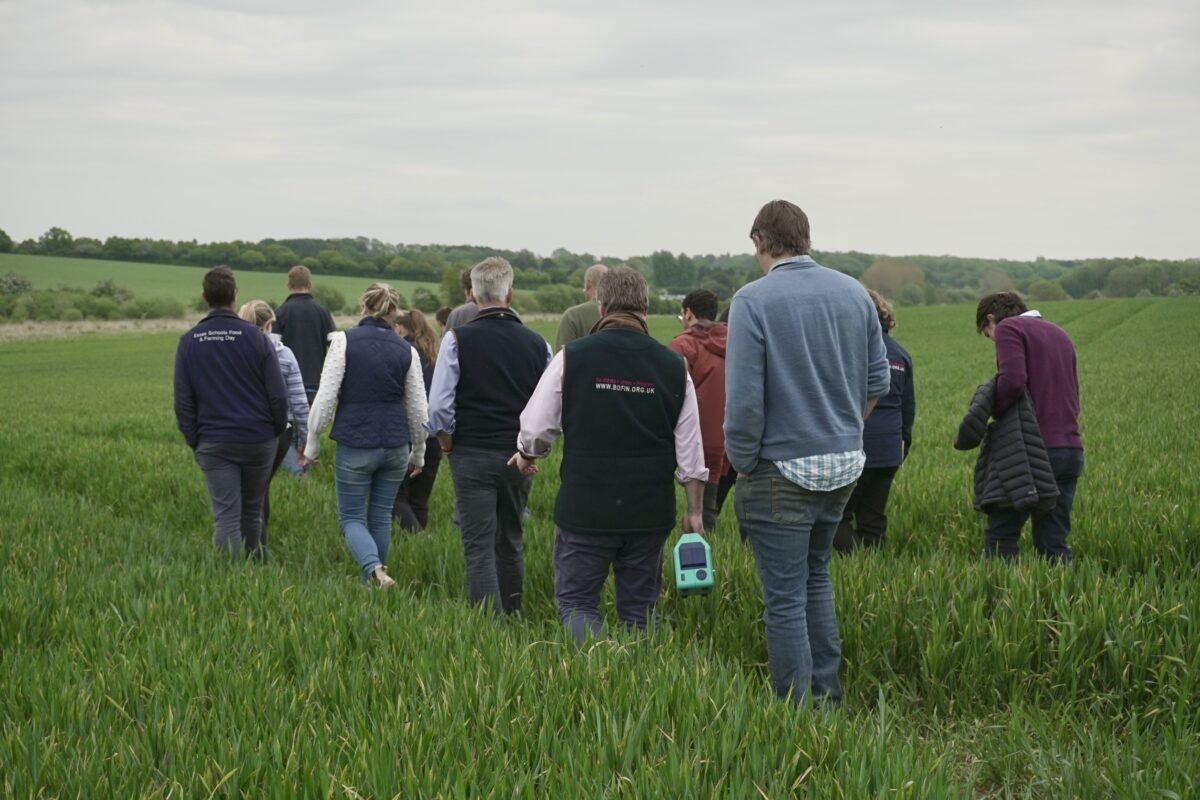
After a networking lunch attendees enjoyed a tractor and trailer tour of the farm to see Ted’s trials up close. The plots were looking exceptionally well and prompted further discussion around the practical application of farmer-led innovation in the field.

The event gave attendees the opportunity to connect with fellow farmers, researchers and industry professionals while seeing first-hand the collaborative, farmer-led innovation taking place through BOFIN projects.

The East Innovation Day marked the first stop in BOFIN’s 2026 Innovation Day series, with more events set to take place across the country throughout May.

Categories
Uncategorized

BOFIN at Cereals 2026

BOFIN heads to Cereals 2026 with packed programme of farmer-led innovation

BOFIN will return to Cereals Event this June with a packed programme of panel sessions, plot talks and networking events focused on the future of farmer-led innovation.

Across the two-day event, BOFIN will bring together farmers, scientists and agri-tech companies to discuss some of the biggest opportunities and challenges facing UK agriculture, from precision breeding and sustainable slug control to soil health and on-farm R&D.

A major focus at this year’s event will be the conclusion of the SLIMERS project, the three-year Defra-funded programme exploring smarter approaches to slug management. Visitors to the BOFIN stand will have the opportunity to hear directly from Professor Keith Walters alongside project partners Fotenix and FarmScan Ag as they reflect on the project’s findings and discuss what comes next for precision pest management technology and farmer-led innovation.

The event will also showcase progress from the PROBITY project, with Professor Nigel Halford and Professor Peter Eastmond joining BOFIN on stage to discuss how precision-bred crops are moving from research into real farm fields. The project marks the first time gene-edited crops have been grown on commercial farms in England outside a laboratory environment.

Alongside the science and technology discussions, BOFIN’s next generation of farmer triallists will take to the Young Farmers Stage to discuss how younger farmers are changing how R&D happens on farm and why farmer-led trials are becoming an increasingly important part of commercial farm management systems.

What’s on

Day One : 10 June

11:00am – 12:00pm
The Future is On Farm
Young Farmers Stage

Join BOFIN’s next generation triallists as they discuss how younger farmers are changing how R&D happens on farm and why farmer-led trials are becoming an increasingly important part of commercial farm management.

12:30pm – 1:30pm
Plot Talk & Networking Lunch
BOFIN Stand

Hear from scientists behind the TRUTH and PROBITY projects while exploring the plots currently in the ground at Cereals, alongside networking and practical discussion from the field.

3:00pm – 4:00pm
SLIMERS Talk
BOFIN Stand

Professor Keith Walters, Fotenix and FarmScan Ag reflect on the findings from the SLIMERS project and discuss the future of precision slug management and farmer-led agri-tech innovation.

Day Two : 11 June

8:30am – 9:30am
SLIMERS Breakfast Talk
BOFIN Stand

Start the day with breakfast and insights from the SLIMERS team as they explore what comes next for precision pest management technologies.

10:30am – 11:00am
Tech Insight: Precision Breeding
Seed to Shelf Mainstage

Discover how precision-bred crops are moving from research into real commercial farm fields through the PROBITY project, including the first gene-edited crops grown commercially in England outside a laboratory environment.

1:00pm – 2:00pm
Tech Insight: Sustainable Slug Control
Farmers Weekly Stage

Hear the latest developments in slug-risk mapping, resistant wheat and precision technologies designed to spot and target slugs more effectively.

Visitors can find the BOFIN team on stand throughout the event to discuss projects, ADOPT, BOFIN Launchpad and opportunities to get involved in farmer-led innovation.

Categories
BOFIN LLS-ERASED LLS-ERASED+

Regulatory milestone for precision breeding

Gene-edited barley secures UK marketing notice in ‘regulatory milestone’ for precision breeding 

A gene-edited barley developed by scientists at Rothamsted Research has received a UK marketing notice, marking another step forward for precision-bred crops moving from research into trials on commercial farms. 

The barley, which is part of the DEFRA-funded PROBITY project, has been granted a precision bred organism (PBO) marketing notice (reference PBM/25/HOVU/001), published on 13 March 2026.  

It confirms that the crop meets the criteria set out under the Genetic Technology (Precision Breeding) Act 2023, following advice from the Advisory Committee on Releases to the Environment (ACRE) and formal confirmation by the Secretary of State.  

The barley was developed by a team led by Professor Peter Eastmond, using CRISPR/Cas9 gene-editing techniques to introduce small, targeted mutations in two genes linked to lipid metabolism.  

Professor Peter Eastmond in the Rothamsted greenhouses

The changes result in higher lipid content in plant tissues, a trait which could increase the metabolisableenergy of feed and potentially reduce methane emissions from ruminant livestock.  

The crop is initially intended for cultivation in England for use in animal feeding trials, representing an early stage in its route toward wider commercial adoption.  

The barley is one of the gene-edited crop varieties being progressed as part of the PROBITY project, a multi-partner initiative led by the British On-Farm Innovation Network (BOFIN) that is bringing precision-bred cereals into trials on commercial farms for the first time in Europe.  

Prof Peter Eastmond said: “Receiving the first precision-bred marketing notice for a crop in the UK is a major milestone and reflects many years of research into plant lipid metabolism and gene editing at Rothamsted.” 

Tom Allen-Stevens, managing director for BOFIN and PROBITY project lead said: “This is an exciting step forward in the process of bringing gene-edited crops from research facilities into on-farm trials, subject to further approvals for food and feed. 

“For farmers in England it signals the beginning of access to a new generation of crop varieties with targeted traits that could help meet some of agriculture’s most pressing challenges.” 


Categories
LLS-ERASED LLS-ERASED+

Major oilseed rape project seeks ‘Spore Scouts’ to support light leaf spot research 

Spore Scouts wanted! Get involved with LLS-ERASED

A new farmer-led research project is calling on oilseed rape growers to help improve understanding of the crop’s number one disease by sending in affected leaf samples before the end of April. 

The ‘Spore Scout’ study is investigating how light leaf spot is changing across regions and seasons, which factors are linked to higher risk, and how the disease can be controlled more effectively. It will run from today [26 March] until 30 April and be repeated in 2027 and 2028. 

The study is part of LLS-ERASED, a three-year £2.5m farmer-led project funded by Defra’s Farming Futures R&D fund. Led by the British On-Farm Innovation Network (BOFIN) it brings together farmers, plant breeders, crop scientists and agronomists to tackle light leaf spot using precision breeding alongside new disease-management tools. 

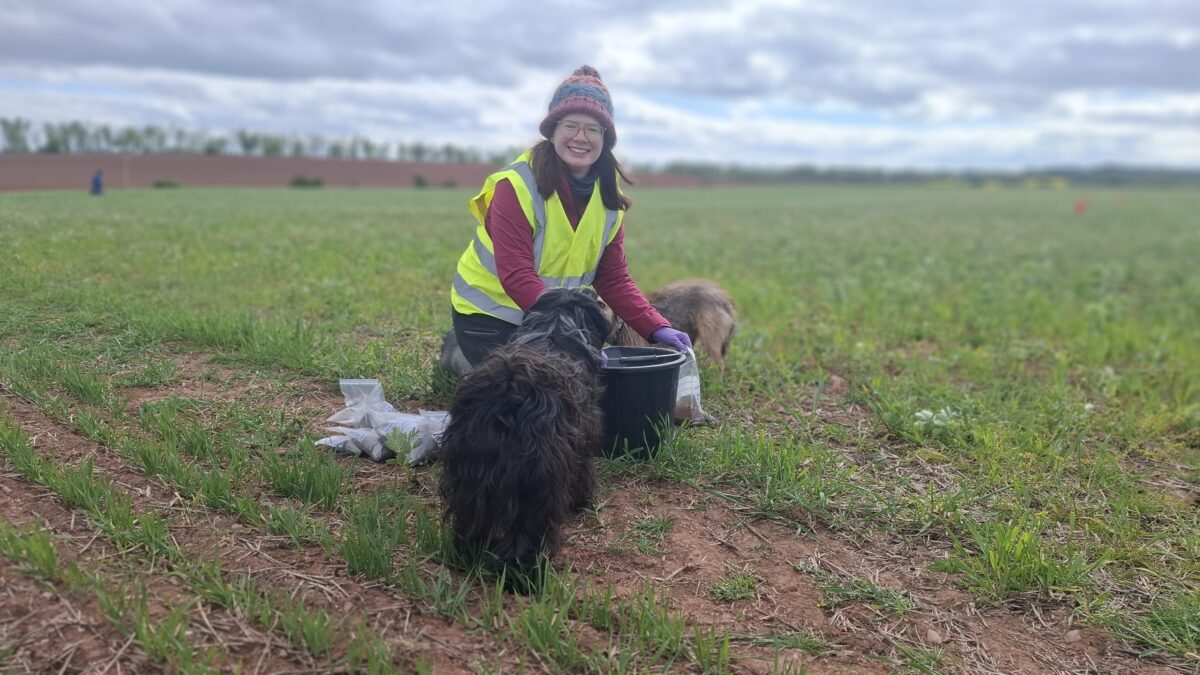
By sending in leaves from their oilseed rape crops over the next month, growers will contribute vital evidence of the spread of the disease, explained Yongju Huang, Professor of plant pathology at the University of Hertfordshire.  

Prof Huang said: “Plants are normally infected by the pathogen in the autumn, but symptoms are often not visible until the spring. 

“We are keen to receive samples from growers across the UK to help us understand variations in pathogen virulence towards cultivar resistance. This will be important for the development of control strategies and deployment of cultivars in regions where the pathogen population is predominantly avirulent towards cultivar’s resistance.” 

Samples will be collected and analysed over the three years of the project and results used to inform the development of a decision support system which will integrate pathogen population data with real-time risk forecasting. 

Tom Allen-Stevens, Oxfordshire farmer and managing director of the British On-Farm Innovation Network (BOFIN) said: “Yield losses from light leaf spot are increasing so this project couldn’t come soon enough.  

“By sending in samples growers are directly contributing to research that will improve how we understand and manage the disease. The more samples we receive the stronger the data and the more useful the results will be for all growers.” 

Farmers and agronomists wishing to take part should register online to receive a sampling pack including instructions, packaging and a pre-paid return envelope.  

To register for a pack visit https://tinyurl.com/SporeScout

Categories
BOFIN PROBITY PROBITY+

Introducing LLS-ERASED

Webinar to launch new oilseed rape project and knowledge exchange community

Arable farmers, researchers and agronomists are invited to a webinar on Thursday 26 March to learn about a major farmer-led oilseed rape research project and two early ways farmers can get involved.

The webinar, which will run from 8.30-9.30am, will outline exciting new research into light leaf spot being carried out by the LLS-ERASED project, as well as opportunities to get involved. 

This includes the free ‘OSR Circle’ community, which connects growers, scientists and other experts to share knowledge and help shape research priorities.

Members of this community will be the first to be invited to become the project’s ‘Spore Scouts’ by sending in leaf samples to researchers at the University of Hertfordshire.

The webinar will also be the first chance to hear about a new precision-bred OSR line with significantly reduced susceptibility to this devastating disease. It is currently being multiplied up ready for farmer-led field trials – the first of their kind across Europe.

LLS-ERASED is a three-year £2.5m farmer-led project funded by Defra’s Farming Futures R&D fund. Led by the British On-Farm Innovation Network (BOFIN), it brings together farmers, plant breeders, crop scientists and agronomists to tackle light leaf spot using precision breeding alongside new disease-management tools.

Speakers for the webinar are Tom Allen-Stevens of BOFIN, Prof Yongju Huang of the University of Hertfordshire and Dr Faye Ritchie of ADAS. They will also be joined by the project’s technical lead Dr Rachel Wells of the John Innes Centre, and Scottish Agronomy’s Adam Christie, for a Q&A session.

Tom Allen-Stevens urged anyone with an interest in the future of oilseed rape to register for the webinar to find out more. 

“Oilseed rape is an important break crop, but light leaf spot is a growing threat to its viability. I encourage farmers and other industry experts to join us to hear about the fascinating work being undertaken to tackle this damaging disease, and the opportunities to get involved.

“The OSR Circle community offers an opportunity to tap into expertise and experience from growers and other experts from across the country. Anyone with an interest in the crop is welcome to join and contribute. For those keen to do something practical, we will also launch our Spore Scout campaign which invites farmers and agronomists to send leaf samples to our scientists at the University of Hertfordshire.”

To find out more and register for the webinar, visit https://tinyurl.com/OSRwebinar

Categories
ADOPT BOFIN

Government backed tech fund opens

Farmers urged to consider FETF opportunities as applications open 

Innovative farmers are being encouraged to take advantage of the Farming Equipment and Technology Fund (FETF) which opens for applications on 17 March. 

Tom Allen-Stevens, Oxfordshire farmer and founder of the British On-Farm Innovation Network (BOFIN) said: “The Farming Equipment and Technology Fund is a fantastic opportunity for farmers to invest in kit that improves productivity of their business. I urge anyone wanting to innovate, to take time to look through the list to see what could work for your business. 

“If you’re thinking about applying it’s also worth asking whether it could form the basis of an ADOPT project. It’s a great way to test something out on your farm, see how it performs, and share the results with other farmers. As approved project facilitators BOFIN is always happy to discuss potential ADOPT applications with farmers who want to explore what’s involved.”    

Applications for the FETF fund, which includes three grants to help farmers buy items to improve productivity, manage slurry, or improve animal health and welfare, will be open from 17 March until midday on 28 April.  

Farmers can submit one application for each of the three grant ‘themes’ if they wish. Each application must be for between £1,000 and £25,000. For full details including how to apply are available online.  

Categories
Uncategorized

BOFIN east inspiration day – book your place now

Farmers invited to  ‘Inspiration Day’ on Hertfordshire farm

Farmers with an eye for innovation are invited to Thrales End Farm, Harpenden on 8th May to explore trial results and farmer-led innovation.

The ‘Inspiration Day in Hertfordshire – organised by the British On-Farm Innovation Network (BOFIN) – is the first of three national events. This one will focus on the TRUTH (Thriving Roots Underpinning Total soil Health) project, with discussions on soil health and its role in resilient crop production systems. 

TRUTH is a three-year £1m project with twin aims of boosting productivity while improving soil health. The project is Defra-funded and led by BOFIN with four partners UK Agri-Tech Centre, the John Innes Centre, University of Nottingham and PES Technologies. 

The project is now in its third year, with 20 Root Ranger farmer trialists undertaking trials to validate on-farm soil and root health testing tools, including a sensor that can detect more than 10 soil health indicators through a “scent fingerprint”.

The day will include sessions to share results from the TRUTH trials and a farm walk to see the trials at Thrales End. 

Other sessions include a talk from Hutchinsons Soil Services Specialist Zara Northern, and a workshop by BOFIN founder Tom Allen-Stevens on peer-to-peer learning in farming.

Event host and Thrales End Farm manager Ted Allen-Stevens, has been a Root Ranger since 2023. 

He said: “I’m looking forward to sharing our learning from the project which has been really significant for us. Our results so far have given us some real evidence that soil health has improved since we brought in regenerative practices. 

“I hope the day will encourage other farmers to get involved with on-farm trials. It’s only when you drill down into the detail of your own farm that you can get that substance and reassurance of what you’re actually achieving.” 

Details of the other two Inspiration Days (in Oxfordshire and Angus) will be announced soon. To register for a free place visit https://tinyurl.com/eastinspiration26.

Categories
ADOPT BOFIN

Farming Investment Programme must be future proofed

BOFIN calls for clarity on Defra funding announcement 

Tom-Allen Stevens responds to the Defra Secretary’s recent announcement at the NFU conference.

The £345 million announced by Defra secretary Emma Reynolds at the NFU conference yesterday (24th February 2026) is welcome news, but without further clarification it raises further questions.

Tom Allen-Stevens, Oxfordshire farmer and founder of the British On-Farm Innovation Network (BOFIN) Tom Allen-Stevens said: “It is good to see that Defra is continuing to fund the Farming Innovation Programme which supports farmer-led research and that there is a further £50 million for the Farming Equipment and Technology Fund. The question is whether this is enough. 

“When Defra first announced plans to move away from direct support to the Environmental Land Management schemes, some 9-10% of the £2.4 billion farm transition budget was safeguarded for ‘Improving Farm Prosperity’ which included the innovation measures announced today.”

It is unclear how many years the £345m headline figure covers, he continued. “The £225m for capital measures for ELMs should sit outside that Farm Prosperity Fund. Paying for fences, hedges and pond restoration should not be branded as supporting innovation.

“But what farmers are crying out for is clarity on ADOPT. The scheme was originally backed by a commitment of £43m, yet only £20.6m has so far been allocated to a number of excellent farmer-led projects. Will Defra now commit to making the rest of this fund available? We have pioneer farmers queuing up ready to take up the opportunity.”

Mr Allen-Stevens also called on the Government to fully future-proof the FIP. “Defra has led the way on investing in farmer-led research, and the current FIP is ground-breaking. The funds announced today will take us to the end of this Parliament. It will be up to this government to take the strategy forward and propose the next stage of the programme. 

“Defra says it wants farm businesses that are productive, profitable, and resilient. FIP can deliver on that, but needs a long-term strategy beyond 2030, giving farmers and researchers the confidence to invest in innovation.”

Emma Reynold’s announcement, made to the NFU Conference today, can be found here.