Collaboration and innovation at the BOFIN West Inspiration Day
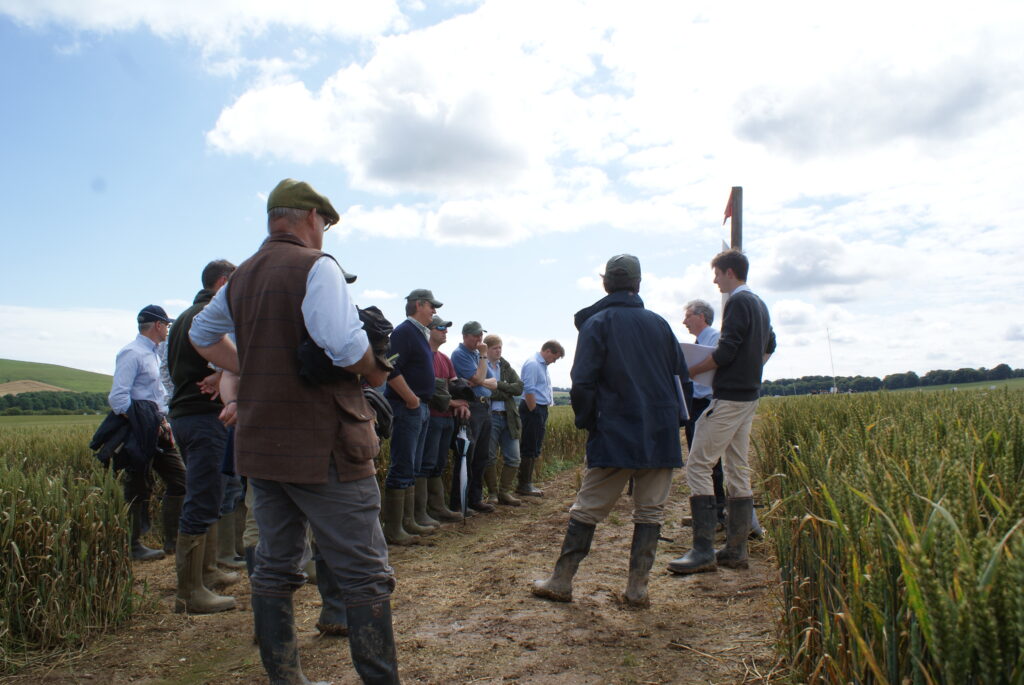
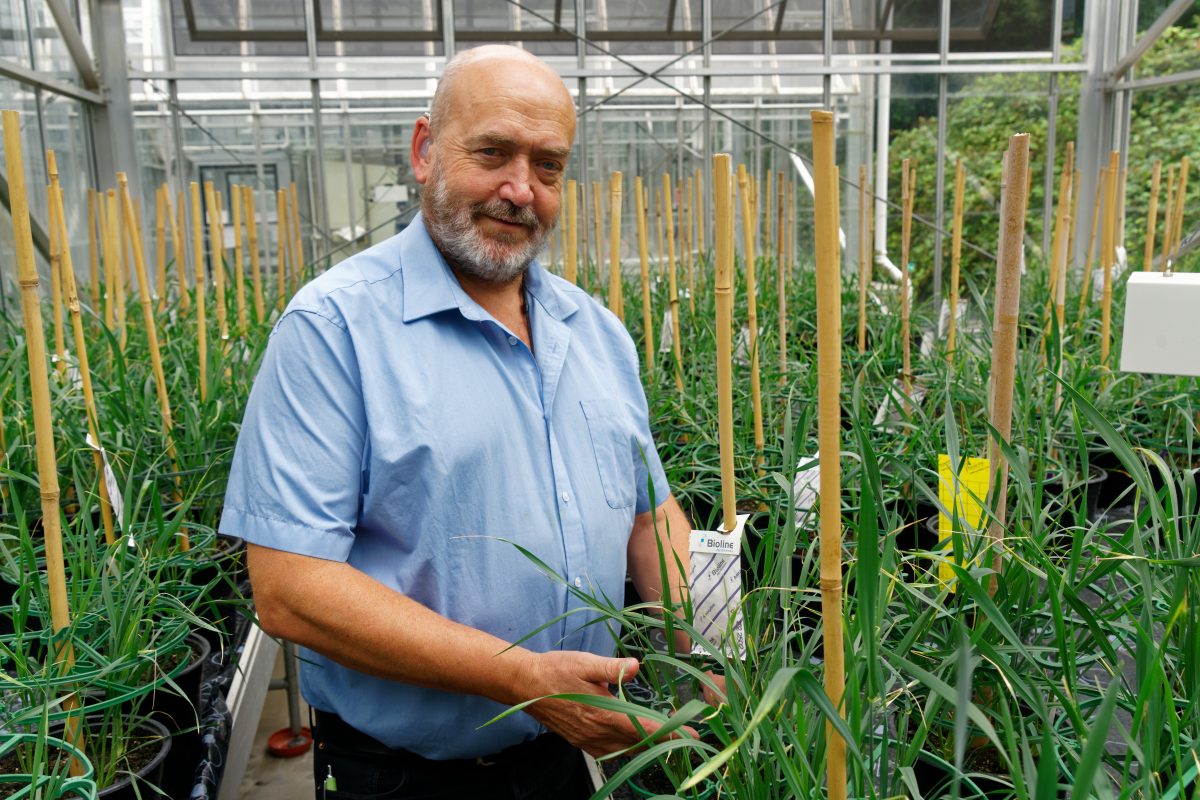
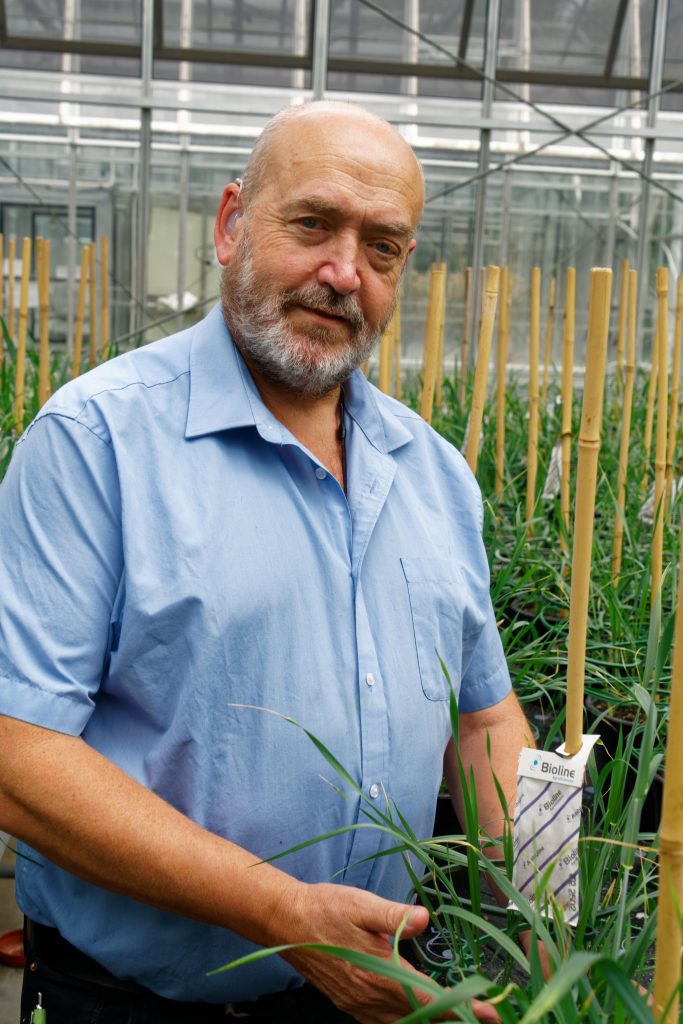
BOFIN founder Tom Allen-Stevens hosted the second BOFIN Inspiration Day of the year, welcoming attendees from across farming, environment, research and policy.
The Oxfordshire farm provided the ideal backdrop for discussions ranging from natural flood management and landscape recovery to farmer-led research and sustainable slug control.
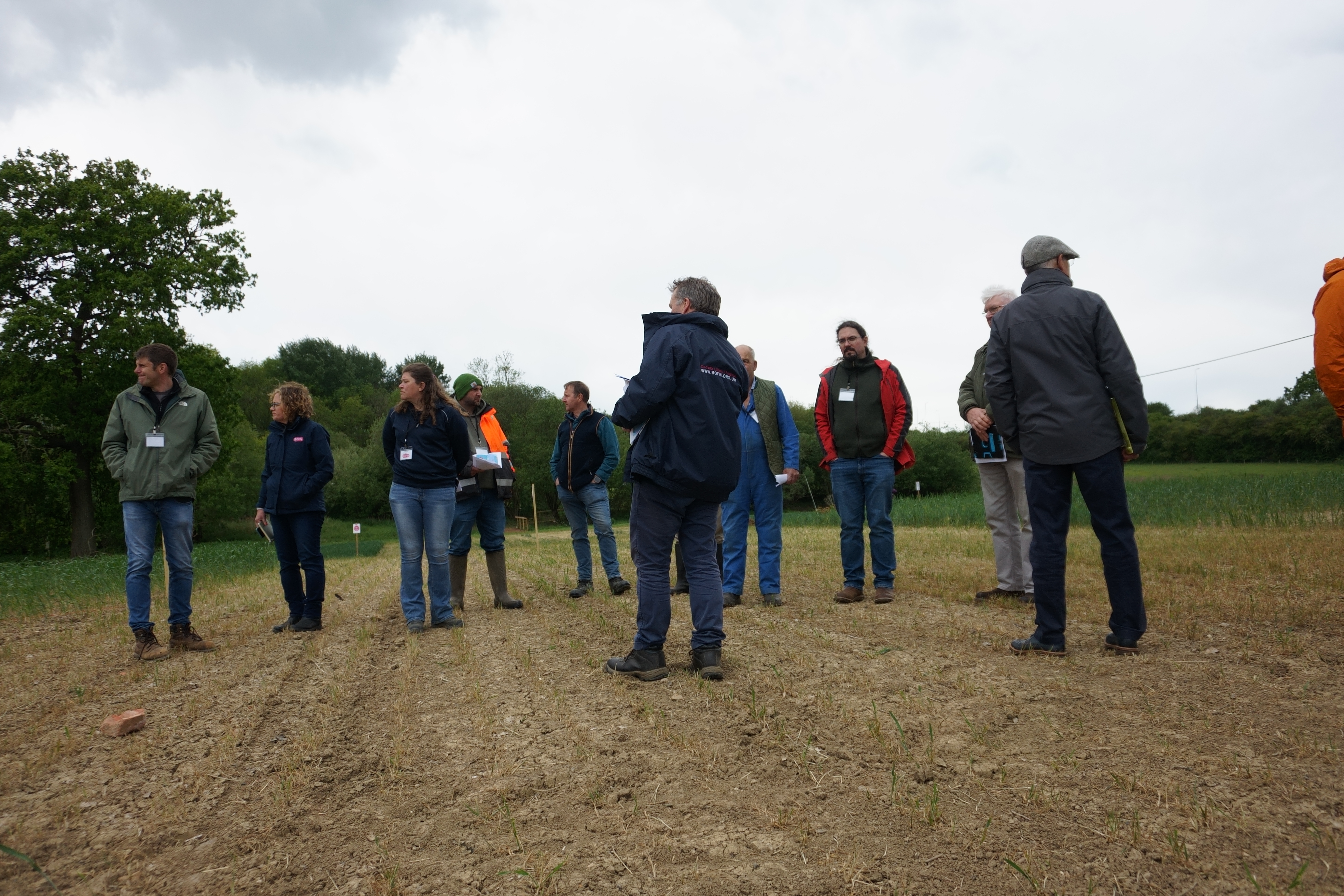
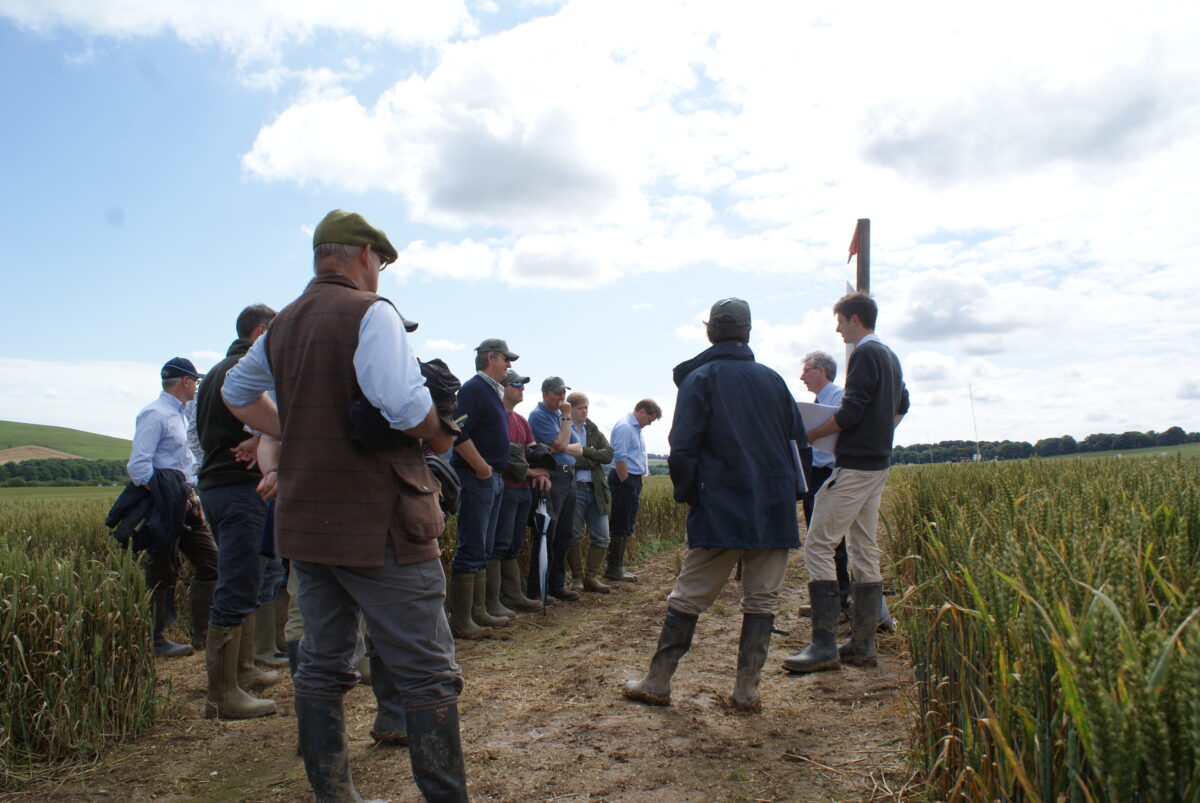
Hosted jointly with the Ock Catchment Farmer Cluster, the day began with an introduction to the cluster’s ambitious Landscape Recovery bid, one of the largest applications submitted to date. Attendees also heard about Oxfordshire’s Local Nature Recovery Strategy before heading into the field to explore natural flood management practices currently in place at Wicklesham Lodge Farm.
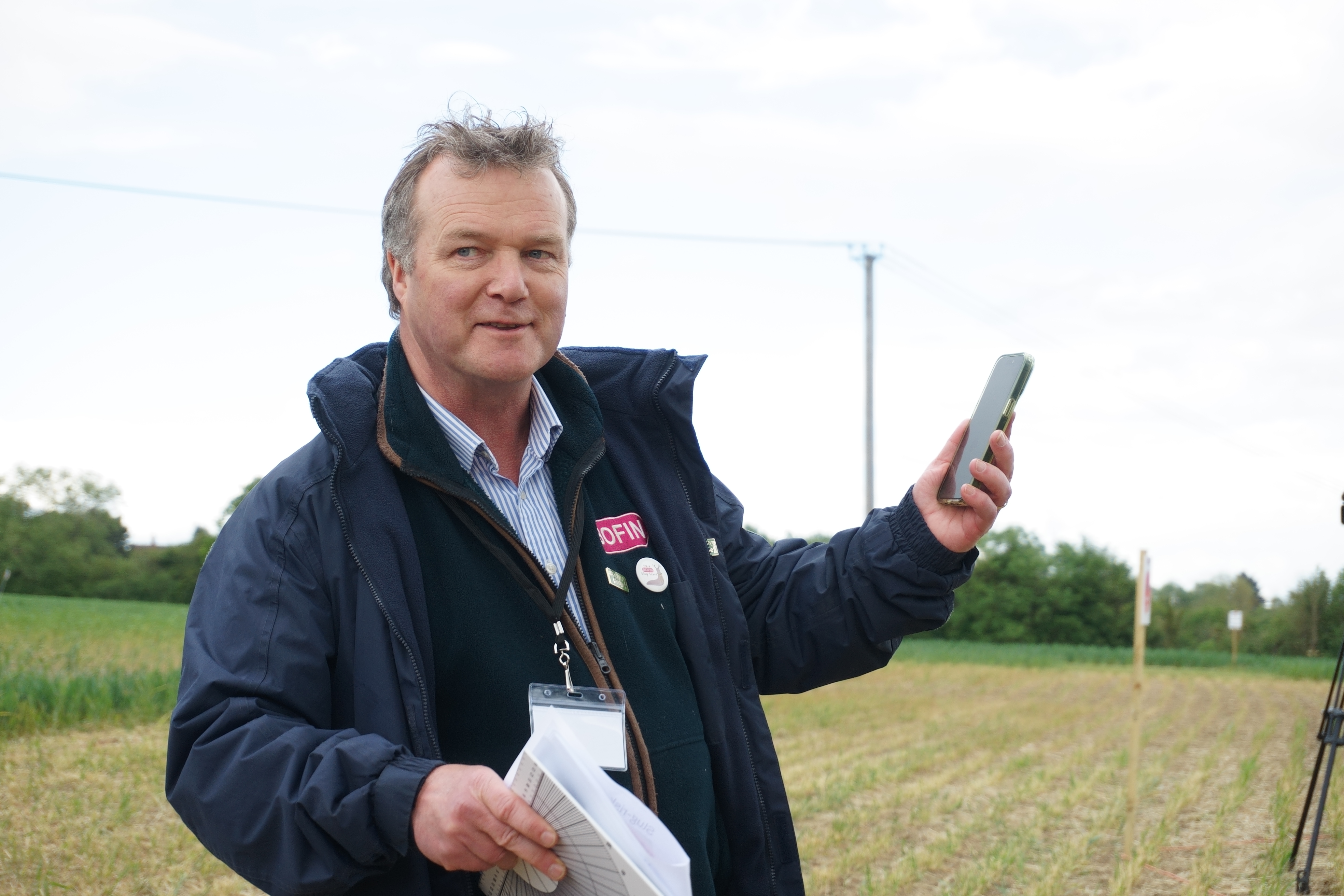
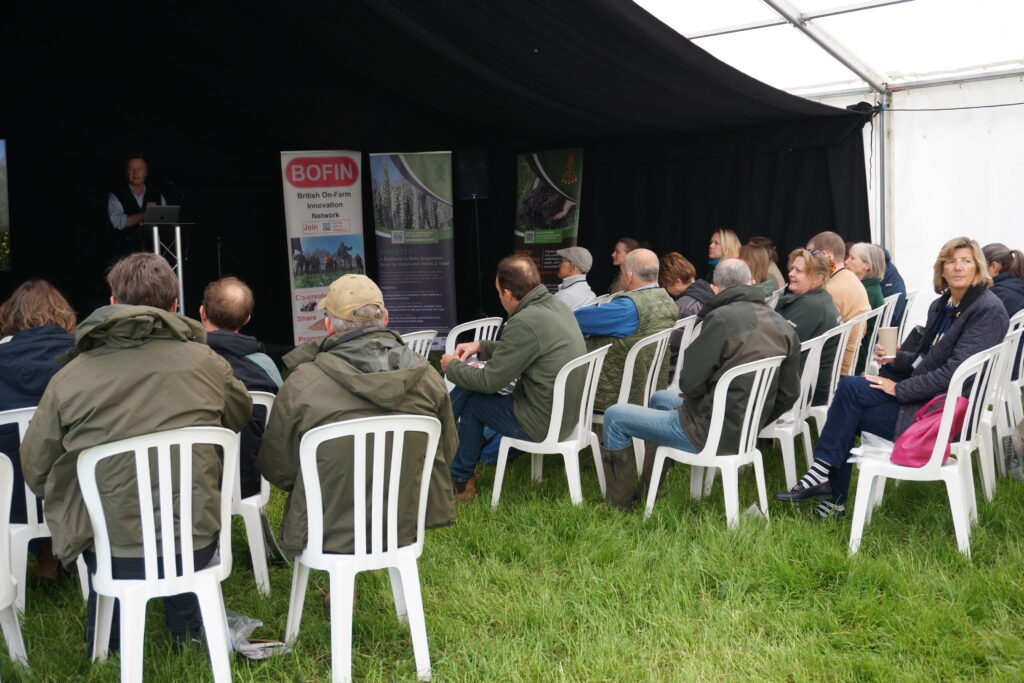
Back at the “marquee of marvel”, Professor Keith Walters (Harper Adams University) shared results from the SLIMERS project, which concludes this summer.
Keith outlined how the project’s slug patch prediction model was developed using three years of farmer-collected Slug Sleuth data, highlighting the crucial role farmers played in building the maps and improving understanding of slug pressure in commercial fields.
A key theme throughout the session was the value of farmer-led innovation, with Keith stressing that farmers are best placed to drive practical agricultural research and real-world innovation.
BOFIN heads to Cereals 2026 with packed programme of farmer-led innovation
BOFIN will return to Cereals Event this June with a packed programme of panel sessions, plot talks and networking events focused on the future of farmer-led innovation.
Across the two-day event, BOFIN will bring together farmers, scientists and agri-tech companies to discuss some of the biggest opportunities and challenges facing UK agriculture, from precision breeding and sustainable slug control to soil health and on-farm R&D.
A major focus at this year’s event will be the conclusion of the SLIMERS project, the three-year Defra-funded programme exploring smarter approaches to slug management. Visitors to the BOFIN stand will have the opportunity to hear directly from Professor Keith Walters alongside project partners Fotenix and FarmScan Ag as they reflect on the project’s findings and discuss what comes next for precision pest management technology and farmer-led innovation.
The event will also showcase progress from the PROBITY project, with Professor Nigel Halford and Professor Peter Eastmond joining BOFIN on stage to discuss how precision-bred crops are moving from research into real farm fields. The project marks the first time gene-edited crops have been grown on commercial farms in England outside a laboratory environment.
Alongside the science and technology discussions, BOFIN’s next generation of farmer triallists will take to the Young Farmers Stage to discuss how younger farmers are changing how R&D happens on farm and why farmer-led trials are becoming an increasingly important part of commercial farm management systems.
What’s on
Day One : 10 June
11:00am – 12:00pm The Future is On Farm Young Farmers Stage
Join BOFIN’s next generation triallists as they discuss how younger farmers are changing how R&D happens on farm and why farmer-led trials are becoming an increasingly important part of commercial farm management.
12:30pm – 1:30pm Plot Talk & Networking Lunch BOFIN Stand
Hear from scientists behind the TRUTH and PROBITY projects while exploring the plots currently in the ground at Cereals, alongside networking and practical discussion from the field.
3:00pm – 4:00pm SLIMERS Talk BOFIN Stand
Professor Keith Walters, Fotenix and FarmScan Ag reflect on the findings from the SLIMERS project and discuss the future of precision slug management and farmer-led agri-tech innovation.
Day Two : 11 June
8:30am – 9:30am SLIMERS Breakfast Talk BOFIN Stand
Start the day with breakfast and insights from the SLIMERS team as they explore what comes next for precision pest management technologies.
Discover how precision-bred crops are moving from research into real commercial farm fields through the PROBITY project, including the first gene-edited crops grown commercially in England outside a laboratory environment.
Hear the latest developments in slug-risk mapping, resistant wheat and precision technologies designed to spot and target slugs more effectively.
Visitors can find the BOFIN team on stand throughout the event to discuss projects, ADOPT, BOFIN Launchpad and opportunities to get involved in farmer-led innovation.
Farmers invited to ‘Inspiration Day’ on Hertfordshire farm
Farmers with an eye for innovation are invited to Thrales End Farm, Harpenden on 8th May to explore trial results and farmer-led innovation.
The ‘Inspiration Day’ in Hertfordshire – organised by the British On-Farm Innovation Network (BOFIN) – is the first of three national events. This one will focus on the TRUTH (Thriving Roots Underpinning Total soil Health) project, with discussions on soil health and its role in resilient crop production systems.
TRUTH is a three-year £1m project with twin aims of boosting productivity while improving soil health. The project is Defra-funded and led by BOFIN with four partners UK Agri-Tech Centre, the John Innes Centre, University of Nottingham and PES Technologies.
The project is now in its third year, with 20 Root Ranger farmer trialists undertaking trials to validate on-farm soil and root health testing tools, including a sensor that can detect more than 10 soil health indicators through a “scent fingerprint”.
The day will include sessions to share results from the TRUTH trials and a farm walk to see the trials at Thrales End.
Other sessions include a talk from Hutchinsons Soil Services Specialist Zara Northern, and a workshop by BOFIN founder Tom Allen-Stevens on peer-to-peer learning in farming.
Event host and Thrales End Farm manager Ted Allen-Stevens, has been a Root Ranger since 2023.
He said: “I’m looking forward to sharing our learning from the project which has been really significant for us. Our results so far have given us some real evidence that soil health has improved since we brought in regenerative practices.
“I hope the day will encourage other farmers to get involved with on-farm trials. It’s only when you drill down into the detail of your own farm that you can get that substance and reassurance of what you’re actually achieving.”
Details of the other two Inspiration Days (in Oxfordshire and Angus) will be announced soon. To register for a free place visit https://tinyurl.com/eastinspiration26.
Precision breeding regulations ‘a major step forward’
Partners in the PROBITY project have welcomed the news that the Genetic Technology (Precision Breeding) Regulations have now come into force.
The regulations, which only apply to England, set out a regime which covers marketing, food and feed authorisation, public registers and enforcement of crop varieties created through precision breeding techniques including gene editing. Scientists and plant breeders can now (since 13 November) apply for precision-bred varieties to be approved for use and sale.
PROBITY, a 12-partner project brings together scientists, food processors and farmers to explore the potential of precision-bred cereal crops. Launched in 2024 the project will bring precision-bred varieties into trials on commercial farms in England for the first time. The precision-bred varieties within PROBITY will be grown under a closed contract with all produce remaining the property of the project partners.
Project lead and managing director of the British On-Farm Innovation Network (BOFIN) Tom Allen-Stevens said: “For farmers this update is a major step forward giving us access to the resilient, productive and sustainable crops that we so urgently need.
“Within the project our scientists can now apply for approval of the PROBITY varieties, and we look forward to seeing how they perform in the field, and how farmers, food manufacturers and consumers respond to them.”
The project’s technical lead, Professor Nigel Halford of Rothamsted Research added: “This is a great moment for plant science in this country. It is encouraging to know that the innovative varieties currently confined to laboratories and research farms can now start to make a difference on farms and across the food chain.”
Government’s commitment to deliver the secondary legislation required for farmers in England to grow precision-bred crops by the end of March has been welcomed by partners in a major project.
Speaking at the Oxford Farming Conference Defra Secretary of State Steve Reed said: “Precision breeding offers huge potential to transform the plant breeding sector in England, enabling innovative products to be commercialised in years, instead of taking decades.”
The legislation would ‘unlock’ precision breeding technology to allow farmers in England to grow crops that are “more nutritious, resistant to pests and disease, resilient to climate change, and that benefit the environment,” he said.
The Genetic Technologies (Precision Breeding) Act was passed in 2023, and the secondary legislation will mean that crops developed using precision breeding techniques such as gene editing will be able to enter the food chain.
Partners in the PROBITY project – which is bringing gene-edited cereal varieties into trials on commercial farms – welcomed the announcement. PROBITY (A Platform to Rate Organisms Bred for Improved Trait and Yield) is a three-year, £2.2m farmer-led project, funded by Defra’s Farming Innovation Programme Small R&D Partnership Round 3.
Prof Nigel Halford, Rothamsted Research and PROBITY project Technical Lead
The project’s Technical Lead Professor Nigel Halford of Rothamsted Research said: “It is great news that the government is moving forward with this.
“Many parts of the world are way ahead of us on precision breeding, and we need to catch up.”
Tom Allen-Stevens is an Oxfordshire farmer and founder of The British On-Farm Innovation Network (BOFIN) which leads the PROBITY project.
He explained: “While countries in Asia and the Americas are way ahead of the UK on this, The Genetic Technologies Act created some competitive advantage – for farmers in England at least – within Europe. However, without the necessary secondary legislation it would be meaningless as farmers wouldn’t know if they would be able to sell crops created through precision breeding.
“Our concern now is that the legislation comes into effect in time, to enable us to progress our trials, planned to start this autumn. These trials are essential if farmers are to assess whether this technology will deliver the benefits expected.”
MP campaign
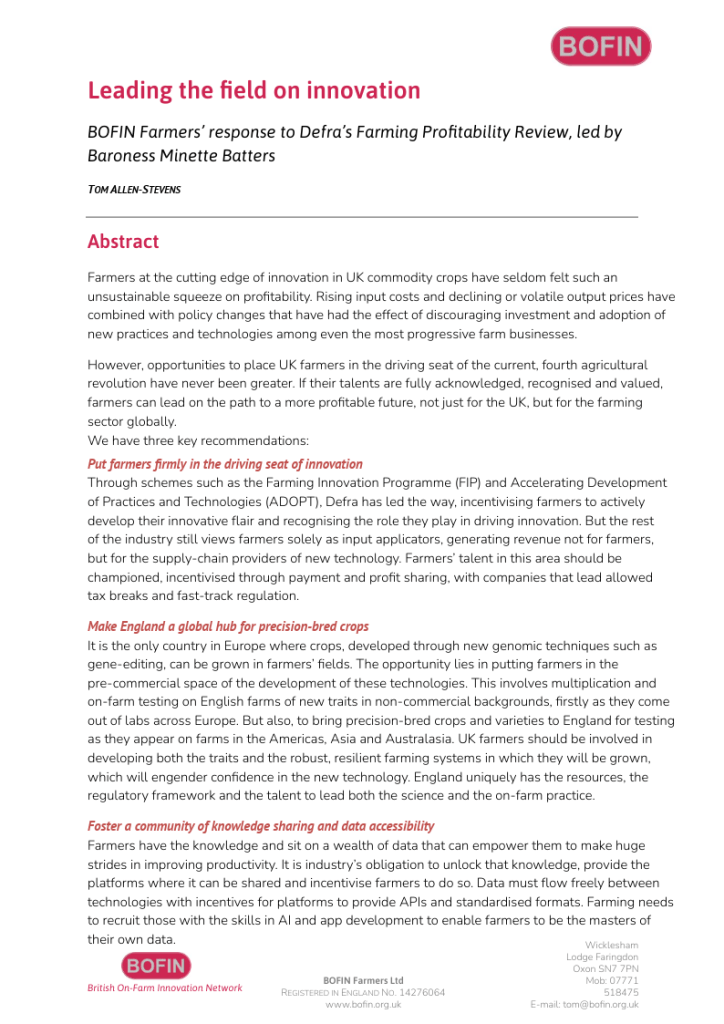
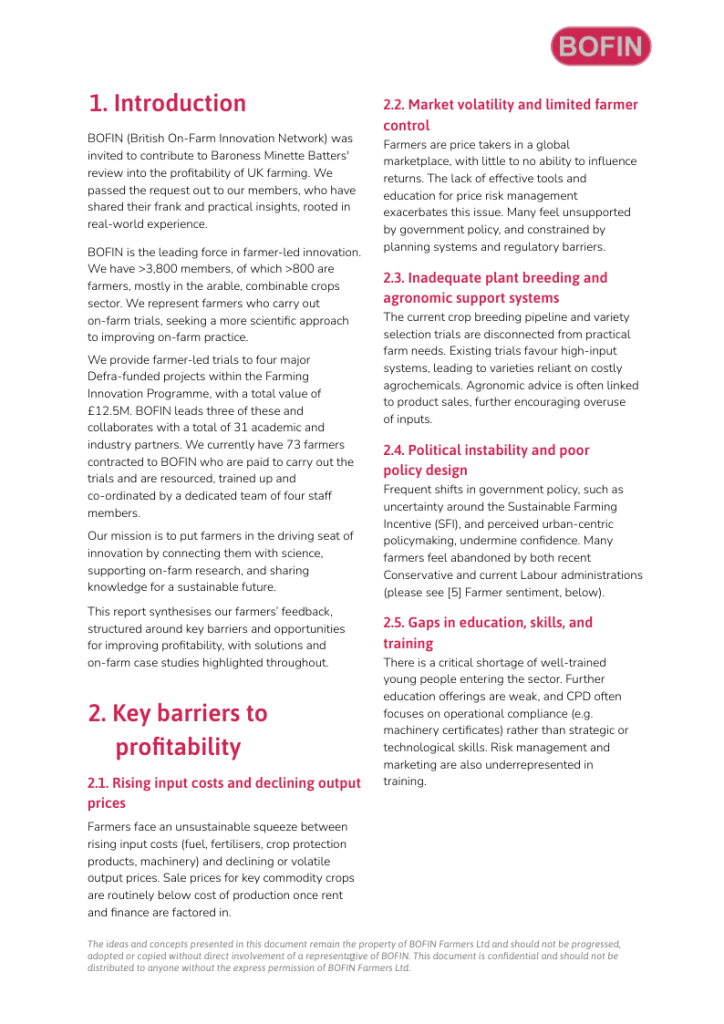
The British On-Farm Innovation Network (BOFIN) has written to MPs to stress the importance of the secondary legislation to the advancement of precision breeding and invite them to learn more about precision breeding by taking part in its PROBITY Pledge campaign
“We want an informed discussion so that everyone in the industry understands precision breeding and has the opportunity to shape how it comes into UK fields,” the letter says. “Our PROBITY Pledge campaign invites anyone with an interest in agriculture to spend a minimum of one hour learning about precision breeding and what it could mean for sustainable food production and to share their views with our online community The Sequence Circle.”
Scientists in the SLIMERS project are gearing up to restart their slug feeding trials after the summer break, which means that we will shortly be sending out more Slug Scout packs to those waiting to get involved.
Any slugs received over the summer have been taken care of in the insectory at John Innes Centre near Norwich, enjoying a diet of Chinese cabbage with small quantities of cat food for protein ahead of the trials.
A BIG thank you
Firstly, we want to thank everyone who has participated so far. Your contributions have been invaluable and helped us make great strides in our research. Grey field slugs are often spotted in gardens but are a major pest for arable farmers causing £43.2m worth of damage to crops every year. By taking part as a Slug Scout, you are contributing to the project which aims to find more sustainable ways to control slugs, including finding ‘slug resistant’ varieties of wheat.
With a huge amount of media coverage in recent months we’ve seen an incredible amount of interest in the project, and we’re so grateful for your interest! We will be sending out another batch of packs soon to as many people on our waiting list as possible.
What’s new in the Slug Scout packs?
To accommodate our growing community, we’ve updated our participation packs. Here’s what you can expect:
Slug Scout pocket guide: Clear guidelines on how to identify grey field slugs
Postage guidance: Instructions on how to package up your haul safely
Labels: Easy-to-use labels to cover the postage for your slugs
Freebies: A fun Slug Scout badge and some stickers to show our appreciation!
A small request
We do ask that you find your own container for the slugs and that you will send at least 10 (ideally more) grey field slugs. Takeaway tubs work perfectly as long as they have a tight-fitting lid. Additionally, please find a ‘Jiffy’ postage bag to send your slugs in – feel free to recycle one you already have!
Thank you for being a part of the SLIMERS project.