
ADOPT projects underway
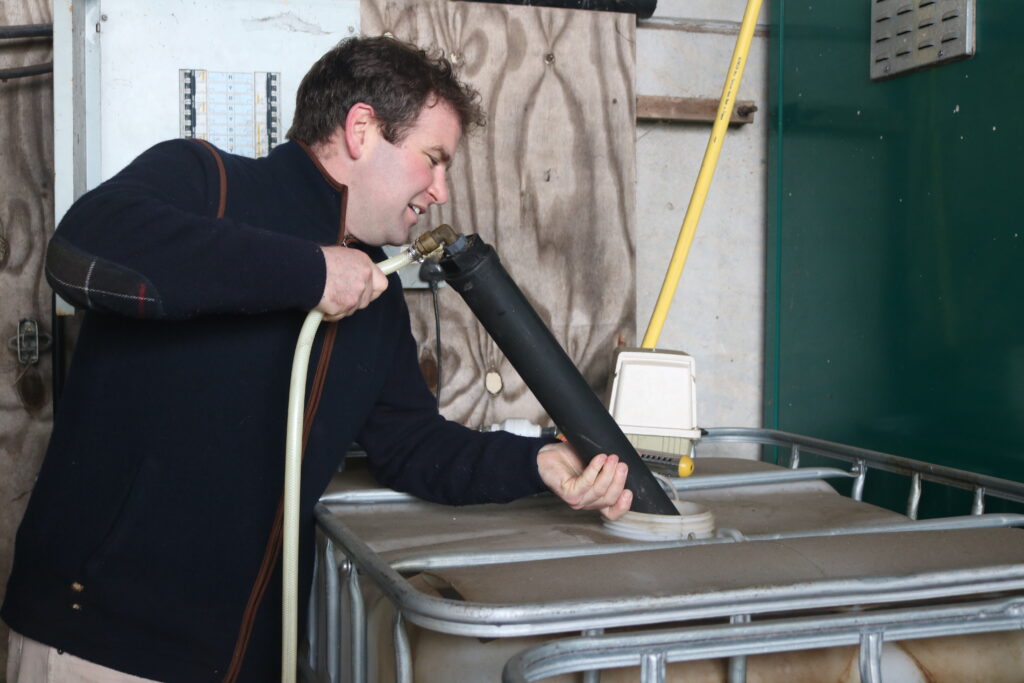
Michael Kavanagh: Testing Biologicals on UK Arable Farms
This project will test whether “home-brewed” and commercial microbial soil and plant conditioners can improve soil health, nutrient availability and crop performance under UK farming conditions. Many farmers are exploring these biological approaches, but independent, field-scale evidence of their benefits remains limited.
Led by Michael Kavanagh, with supporting farmers Jake Freestone and Andrew Court, trials will take place across commercial arable farms in Oxfordshire, Gloucestershire and Staffordshire. Replicated strip trials over two growing seasons will compare soil health and crop performance under conventional fertiliser and microbial treatments, exploring whether benefits are consistent across different soil types and increase with repeated applications.
The trial will be monitored through soil sampling, plant nutrient analysis and yield measurements, including assessments of soil organic and active carbon and plant-available nitrogen. In the second year, DNA-based analysis will examine changes in soil bacterial and fungal communities and whether these are associated with crop performance. The project will provide practical, UK-based evidence on whether microbial inputs deliver measurable benefits, with results shared to help farmers make informed decisions about adopting biological products.
Ben Adams: UK Relay Cropping
This project will test the potential of relay cropping in UK farming systems, an innovative approach that allows two crops to be grown within a single season. Relay cropping involves sowing a second crop directly into a standing cereal before the first crop is harvested, creating overlap between growth cycles.
At Lower Farm in Oxfordshire, winter barley will be inter-seeded with summer crops such as soya, linseed, sorghum, and millet. Once the barley is harvested, these companion crops will continue growing through the summer, followed by a clover cover crop to maintain soil protection over winter. This system makes more efficient use of sunlight, space, and water, while providing continuous cover to protect and improve soils.
The trial will be carefully monitored using yield data, soil sampling and health assessments, and NDVI monitoring, scientific analysis provided by ADAS and economic/business evaluation provided by Ceres Rural. BOFIN will lead project coordination and support with knowledge exchange, ensuring farmer participation and dissemination of results through on-farm demonstrations. If successful, relay cropping could help farmers increase productivity, reduce reliance on inputs and build resilience against extreme weather. The project will provide practical, UK-based evidence on whether this international technique can be adopted more widely.
Andrew Ward: Bringing URBeans to market: Establishing short supply chain production of low input Phaseolus dry beans in English arable rotation
The UK currently imports 150,000 tonnes of dry beans (navy, kidney, cannellini, pinto, black) annually for human consumption. In November 2025, The Food Foundation launched a ‘Bang In Some Beans’ public health campaign to double UK bean consumption by 2028, with pledges already from ten retail and food service companies. This increased consumption will also depend on imports as current domestic production of dry beans is commercially non-existent. Why? Because seed of current commercial varieties require an unworkable long season if grown in UK conditions.
This project will demonstrate production of new UK-Registered dry bean (URBean) varieties on East and West Midland farms. Three varieties (Olivia-black, Godiva-blonde and Capulet-white) were developed specifically for short season production in England. The project will extend a public funded project which trialled URBeans in school meals and designed a community enterprise to manage a closed-loop marketplace. This enterprise will grow market demand from food service and zero-waste refill outlets to pull increasing supply of URBeans, ensuring equitable income for English farmers and affordable access for British consumers.
This project will establish a model for profit-sharing, crop diversification, resilience against market shocks, and added-value marketing; addressing urgent UK food production and public health challenges.
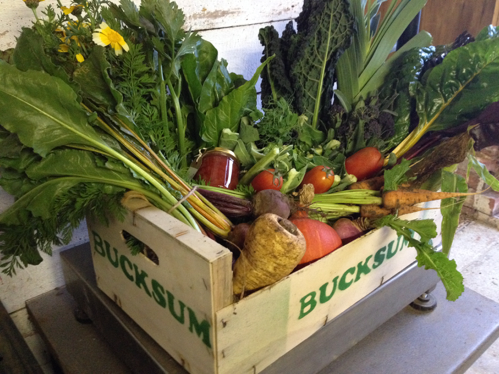
David Newman: Strip-Till Solutions for Regenerative Horticulture
This project will test an innovative strip-tillage system adapted specifically for small-scale horticulture. By combining precision strip-till equipment with permanent living mulches such as white clover and herbal leys, the project aims to create a low-input, regenerative vegetable production system. Based at a diverse market gardens in Buckinghamshire and Oxfordshire the trial will explore how maintaining permanent groundcover while tilling only the crop row can reduce soil erosion, enhance soil structure whilst maintaining yields.
The trial will evaluate crop performance, weed pressure, soil health, and management requirements, supported by technical partners and independent soil testing.
The project seeks to adapt and refine the Kuhn Striger strip-till system, widely used in arable farming, so that it can be used effectively by horticultural growers. Produce will be sold through an on-farm shop and local outlets, demonstrating short supply chains and local food resilience.
By generating practical, scalable evidence for regenerative horticulture, this project aims to support other growers across the UK in adopting soil-friendly, low-disturbance cropping systems
David Goodenough: Next-gen Robotics for Weed Detection and Management
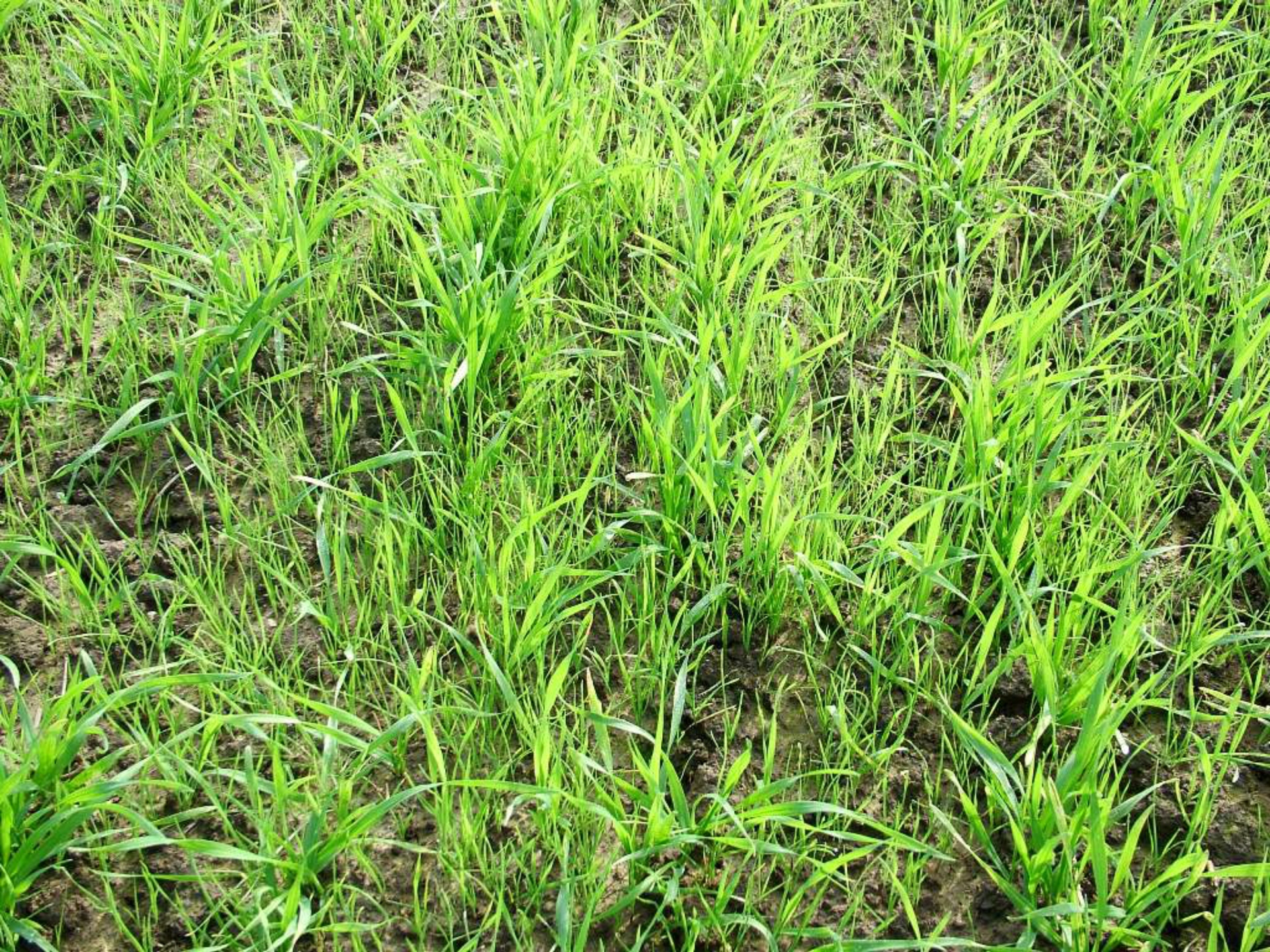
This project will explore how legged robotics can transform crop intelligence and early weed detection in UK arable farming. Herbicide-resistant black-grass (Alopecurus myosuroides) is one of the biggest threats to cereal production, but control depends on timely, accurate information about where and when infestations occur. Farmers currently lack tools to gather this detail efficiently.
The Next-Gen Robotics for Weed Detection and Management project will test an autonomous quadruped robot (“robot dog”) as a mobile field surveyor, able to walk through standing crops, capturing high-resolution imagery without crop damage. This system will be developed to identify black-grass and other field features such as rust, slugs, and insect activity earlier than existing methods, giving farmers better data to guide precise interventions. By determining how early weeds can be recognised and how quickly the robot can survey large areas, the project will define the real-world feasibility and cost-effectiveness of this approach. Even if used purely for targeted mapping, it could significantly reduce chemical use, as farmers would spray only where needed. The work will provide a foundation for future on-farm robotics that combine detection with automated treatment, supporting smarter, more sustainable crop management.