
Gene-edited barley secures UK marketing notice in ‘regulatory milestone’ for precision breeding
A gene-edited barley developed by scientists at Rothamsted Research has received a UK marketing notice, marking another step forward for precision-bred crops moving from research into trials on commercial farms.
The barley, which is part of the DEFRA-funded PROBITY project, has been granted a precision bred organism (PBO) marketing notice (reference PBM/25/HOVU/001), published on 13 March 2026.
It confirms that the crop meets the criteria set out under the Genetic Technology (Precision Breeding) Act 2023, following advice from the Advisory Committee on Releases to the Environment (ACRE) and formal confirmation by the Secretary of State.
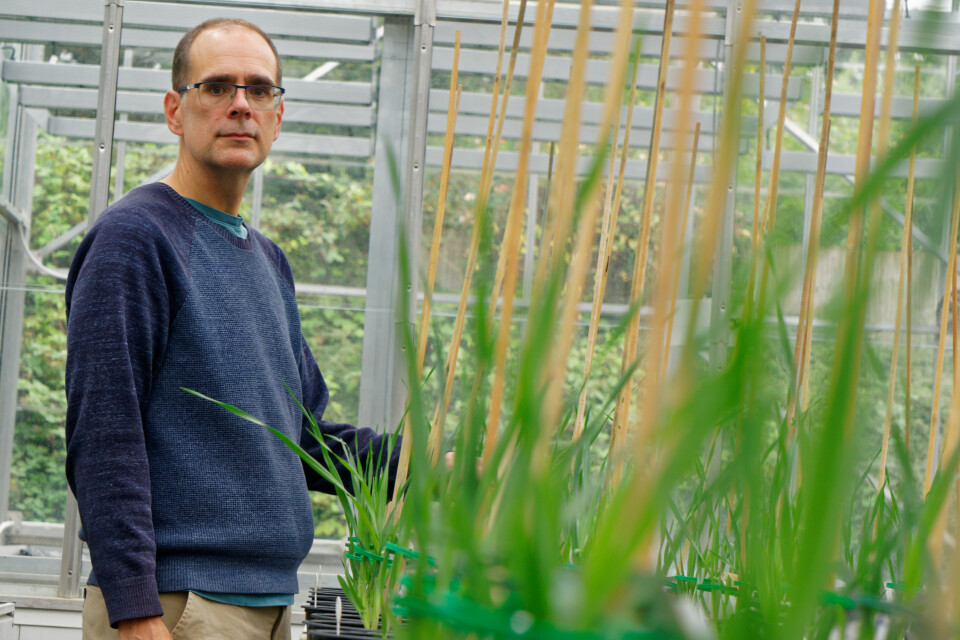
The barley was developed by a team led by Professor Peter Eastmond, using CRISPR/Cas9 gene-editing techniques to introduce small, targeted mutations in two genes linked to lipid metabolism.
The changes result in higher lipid content in plant tissues, a trait which could increase the metabolisableenergy of feed and potentially reduce methane emissions from ruminant livestock.
The crop is initially intended for cultivation in England for use in animal feeding trials, representing an early stage in its route toward wider commercial adoption.
The barley is one of the gene-edited crop varieties being progressed as part of the PROBITY project, a multi-partner initiative led by the British On-Farm Innovation Network (BOFIN) that is bringing precision-bred cereals into trials on commercial farms for the first time in Europe.
Prof Peter Eastmond said: “Receiving the first precision-bred marketing notice for a crop in the UK is a major milestone and reflects many years of research into plant lipid metabolism and gene editing at Rothamsted.”
Tom Allen-Stevens, managing director for BOFIN and PROBITY project lead said: “This is an exciting step forward in the process of bringing gene-edited crops from research facilities into on-farm trials, subject to further approvals for food and feed.
“For farmers in England it signals the beginning of access to a new generation of crop varieties with targeted traits that could help meet some of agriculture’s most pressing challenges.”