Gene-edited barley secures UK marketing notice in ‘regulatory milestone’ for precision breeding
A gene-edited barley developed by scientists at Rothamsted Research has received a UK marketing notice, marking another step forward for precision-bred crops moving from research into trials on commercial farms.
The barley, which is part of the DEFRA-funded PROBITY project, has been granted a precision bred organism (PBO) marketing notice (reference PBM/25/HOVU/001), published on 13 March 2026.
It confirms that the crop meets the criteria set out under the Genetic Technology (Precision Breeding) Act 2023, following advice from the Advisory Committee on Releases to the Environment (ACRE) and formal confirmation by the Secretary of State.
The barley was developed by a team led by Professor Peter Eastmond, using CRISPR/Cas9 gene-editing techniques to introduce small, targeted mutations in two genes linked to lipid metabolism.
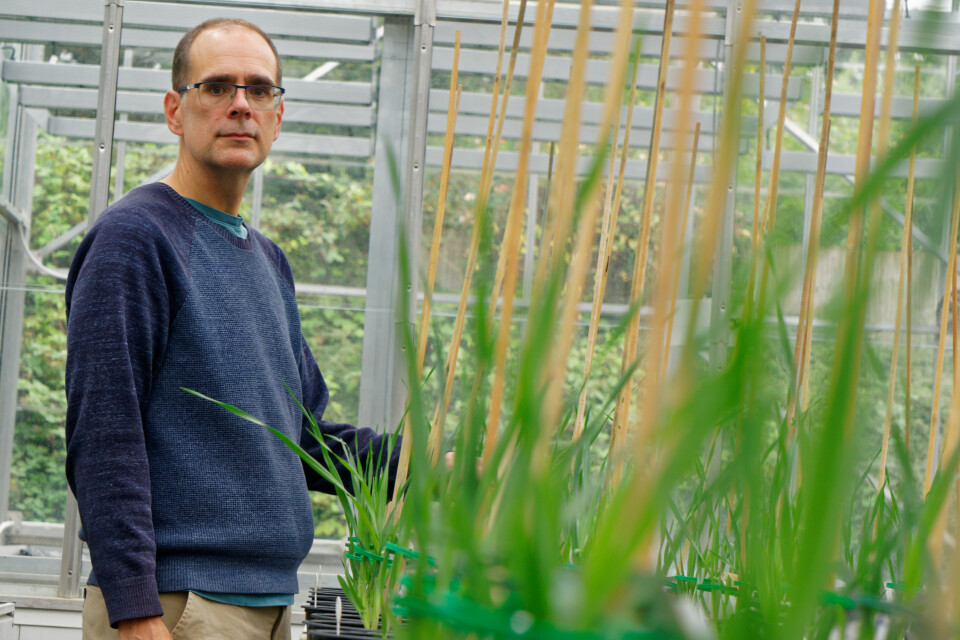
Professor Peter Eastmond in the Rothamsted greenhouses
The changes result in higher lipid content in plant tissues, a trait which could increase the metabolisableenergy of feed and potentially reduce methane emissions from ruminant livestock.
The crop is initially intended for cultivation in England for use in animal feeding trials, representing an early stage in its route toward wider commercial adoption.
The barley is one of the gene-edited crop varieties being progressed as part of the PROBITY project, a multi-partner initiative led by the British On-Farm Innovation Network (BOFIN) that is bringing precision-bred cereals into trials on commercial farms for the first time in Europe.
Prof Peter Eastmond said: “Receiving the first precision-bred marketing notice for a crop in the UK is a major milestone and reflects many years of research into plant lipid metabolism and gene editing at Rothamsted.”
Tom Allen-Stevens, managing director for BOFIN and PROBITY project lead said: “This is an exciting step forward in the process of bringing gene-edited crops from research facilities into on-farm trials, subject to further approvals for food and feed.
“For farmers in England it signals the beginning of access to a new generation of crop varieties with targeted traits that could help meet some of agriculture’s most pressing challenges.”
A new farmer-led research project is calling on oilseed rape growers to help improve understanding of the crop’s number one disease by sending in affected leaf samples before the end of April.
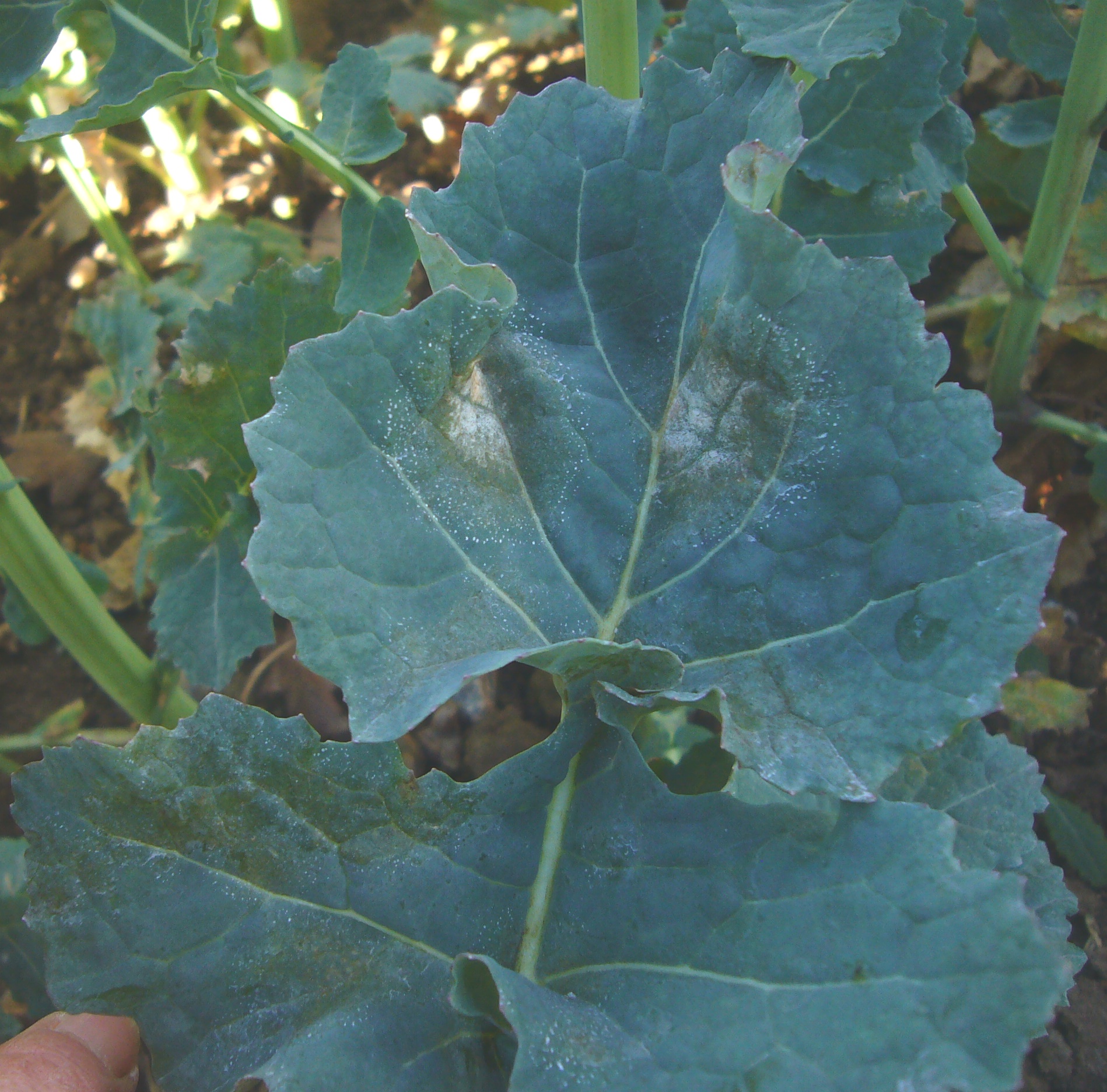
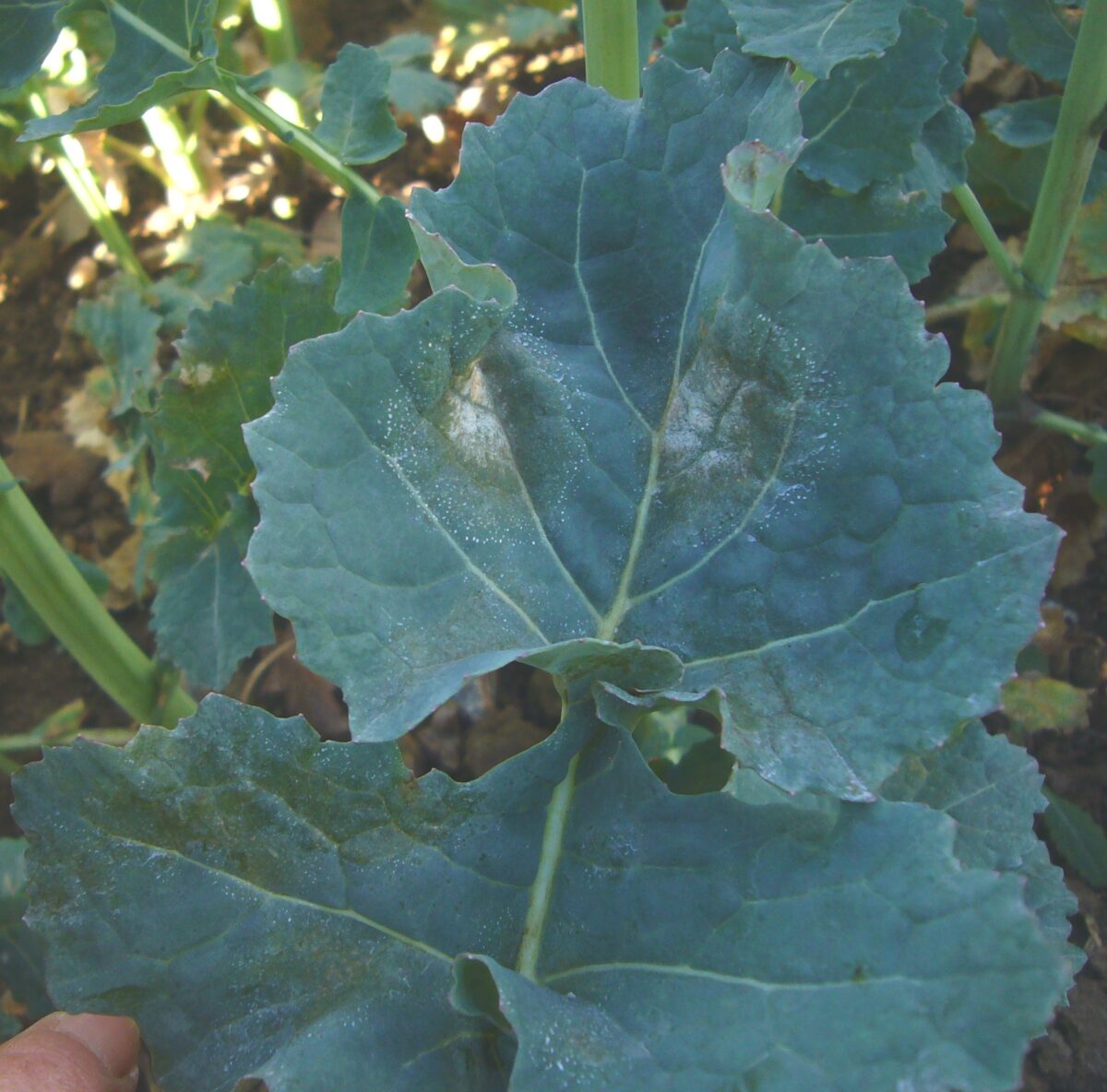
The ‘Spore Scout’ study is investigating how light leaf spot is changing across regions and seasons, which factors are linked to higher risk, and how the disease can be controlled more effectively. It will run from today [26 March] until 30 April and be repeated in 2027 and 2028.
The study is part of LLS-ERASED, a three-year £2.5m farmer-led project funded by Defra’s Farming Futures R&D fund. Led by the British On-Farm Innovation Network (BOFIN) it brings together farmers, plant breeders, crop scientists and agronomists to tackle light leaf spot using precision breeding alongside new disease-management tools.
By sending in leaves from their oilseed rape crops over the next month, growers will contribute vital evidence of the spread of the disease, explained Yongju Huang, Professor of plant pathology at the University of Hertfordshire.
Prof Huang said: “Plants are normally infected by the pathogen in the autumn, but symptoms are often not visible until the spring.
“We are keen to receive samples from growers across the UK to help us understand variations in pathogen virulence towards cultivar resistance. This will be important for the development of control strategies and deployment of cultivars in regions where the pathogen population is predominantly avirulent towards cultivar’s resistance.”
Samples will be collected and analysed over the three years of the project and results used to inform the development of a decision support system which will integrate pathogen population data with real-time risk forecasting.
Tom Allen-Stevens, Oxfordshire farmer and managing director of the British On-Farm Innovation Network (BOFIN) said: “Yield losses from light leaf spot are increasing so this project couldn’t come soon enough.
“By sending in samples growers are directly contributing to research that will improve how we understand and manage the disease. The more samples we receive the stronger the data and the more useful the results will be for all growers.”
Farmers and agronomists wishing to take part should register online to receive a sampling pack including instructions, packaging and a pre-paid return envelope.
A £2.5m, three-year project bringing the first precision-bred oilseed rape onto commercial farms in Europe has been launched this week, marking a major step towards rebuilding the UK’s most important break crop.
The project, Light Leaf Spot Enhancing Resistance And reducing Susceptibility with EDiting (LLS-ERASED), is led by BOFIN Farmers and funded through Defra’s Farming Innovation Programme, delivered in partnership with Innovate UK. It brings together farmers, plant breeders, crop scientists and agronomists to tackle light leaf spot, oilseed rape’s most damaging disease, using precision breeding alongside new disease-management tools.
Light leaf spot has become the number one disease threat to UK oilseed rape, with yield losses estimated to have risen from £94m in 2017 to more than £300m in 2022. Despite widespread fungicide use, control has become increasingly unreliable as pathogen populations evolve and resistance to azole fungicides spreads. At the same time, currently available varieties struggle to offer strong, durable resistance.
LLS-ERASED aims to change that by delivering oilseed rape varieties with significantly reduced susceptibility to light leaf spot, developed using precision-breeding techniques that accelerate the introduction of beneficial traits without introducing foreign DNA. Crucially, the project will move these traits beyond the laboratory and into farmer-led field trials on commercial farms, supported by real-time disease forecasting and decision-support tools.
“This project is game-changing for farmers,” says LLS-ERASED project lead Tom Allen-Stevens of BOFIN Farmers.
“It will put precision-bred oilseed rape technology on to their farms for the first time across Europe. This is combined with risk forecasting and a new decision support tool that will bring growers effective disease control that is truly risk-based and data-driven. That is the reboot the industry needs, and that is what will help reverse the decline in the crop’s planted area.”
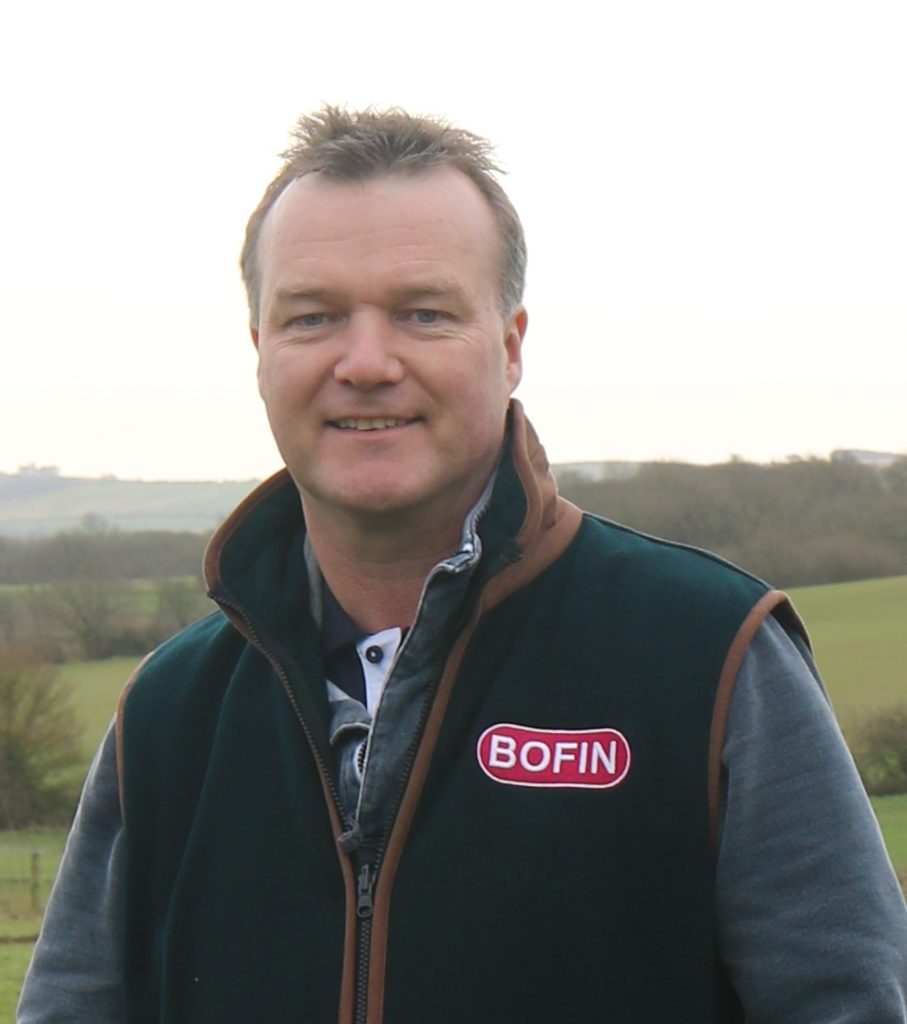
Tom Allen-Stevens, BOFIN
At the heart of the project is a newly identified plant susceptibility gene. By switching off this gene using precision breeding, researchers have shown it is possible to reduce the ability of the light leaf spot pathogen to infect the crop, offering a more durable form of protection than traditional resistance genes that pathogens can quickly overcome.
The science is being led by John Innes Centre and the University of Hertfordshire, working alongside ADAS and Scottish Agronomy to integrate the new trait into practical, farm-ready disease-management strategies. A consortium of leading UK and European oilseed rape breeders is involved in developing the disease-forecasting and testing material in elite commercial backgrounds. UK Agri-Tech Centre is overseeing project delivery and integration, supporting effective collaboration across partners and ensuring outputs remain focused on adoption, scalability and real-world impact.
A key element of the project is collaboration with US-based Cibus (NASDAQ: CBUS), whose Rapid Trait Development System™ (RTDS®), a suite of technologies including non-transgenic processes, enables precise genetic edits to be introduced directly into elite breeding lines with scale and speed, dramatically shortening the time needed to bring new traits to market.
“I am really excited to move our resistant material from the laboratory to field scale trials to see how it performs in a real-world setting,” says LLS-ERASED technical lead Dr Rachel Wells of John Innes Centre.
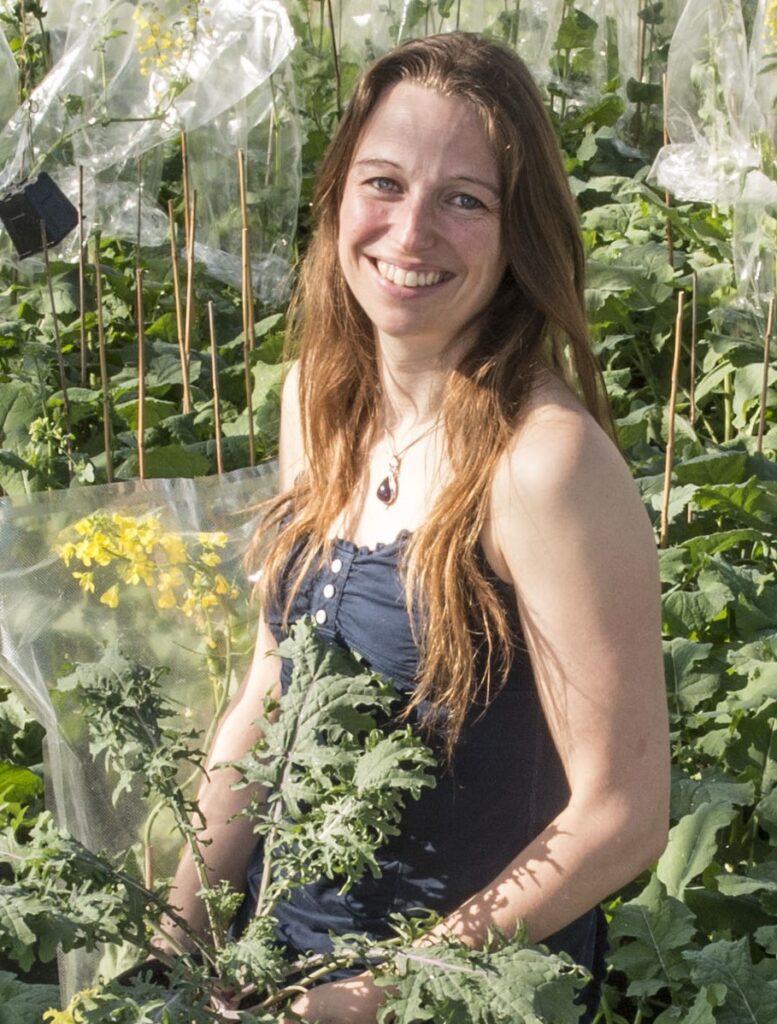
Dr Rachel Wells, John Innes Centre
“Precision Breeding offers us an excellent opportunity to develop material to combat our pests and pathogens while supporting sustainable farming. Developing a trusted pipeline to streamline the process from research to variety release will be invaluable for crop improvement. Bringing this work together in an integrated pest management package looking at multiple, combined solutions, is the future of crop protection.”
For airborne diseases like light leaf spot, information on timing of pathogen spore release and virulence in pathogen populations is essential for effective disease control, adds Yongju Huang, Professor of plant pathology at University of Hertfordshire. “Combined with host resistance information about the pathogen, this project will develop an evidence-based real-time decision support system for farmers to achieve effective disease control and reduce the reliance on chemicals.”
Alongside new varieties, LLS-ERASED will deliver a farmer-led delivery platform designed to support the adoption of precision-bred crops. This includes a new disease-management tool combining weather data, pathogen monitoring and on-farm trial results to guide fungicide use more accurately, reducing unnecessary applications while protecting yield.
“The project offers a well-timed opportunity to focus on improving the control of light leaf spot, and the field-based guidance available,” comments Dr Faye Ritchie, technical director at ADAS. “Farmer collaboration and knowledge is essential to build effective disease management tools and IPM testing protocols that are practical and cost-effective.”
Dr Faye Ritchie, ADAS
Farmers will play a central role in LLS-ERASED through on-farm trials across England, feeding results directly into a grower-led knowledge-exchange network. The approach is designed not only to bring the first precision-bred oilseed rape varieties to commercial farms, but also to establish a pipeline for future traits. This will include resistance to other diseases and pests such as cabbage stem flea beetle, which is widely reported as a major limiting factor for UK oilseed rape growers.
“By combining precision breeding with integrated disease management and farmer-led testing, the project positions the UK at the forefront of efforts to rebuild oilseed rape production in a more resilient, sustainable way,” says BOFIN’s Tom Allen-Stevens.
“What’s more, building on similar precision-breeding grower-led platforms, it establishes the UK as a world leader in the technology and an on-farm testbed for future traits. This has potential benefits for farm profitability, pesticide reduction and food security, not just for the UK, but across Europe, as the EU moves towards greater acceptance of new genomic techniques.”