Categories
NCS

Farmer-led research bridges science and on-farm change

Farmer-led research is missing link between science and on-farm change

Agricultural research should put farmers at the heart of project design if it is to deliver lasting changes in farming practice, argues a new paper from researchers involved in the Nitrogen Efficient Plants for Climate Smart Arable Cropping Systems (NCS) project.

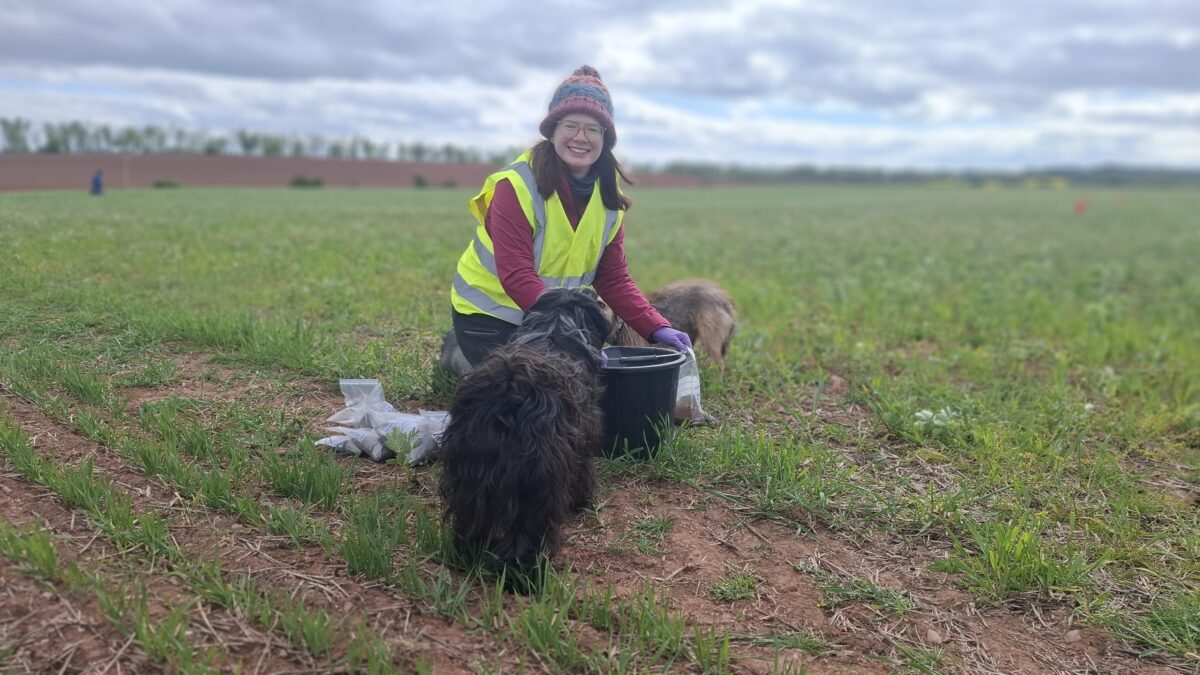
Dr Emily Guest, lead author of the paper.

The paper Nitrogen Climate Smart: Cutting UK Agricultural Emissions using a Farmer-Focused Theory of Change, sets out a framework for future agricultural research that prioritises farmer participation, on-farm trials, peer-to-peer learning and supply chain collaboration. 

It argues that involving farmers from the start leads to research that is more relevant, more readily adopted and more likely to deliver environmental and economic benefits.

Lead author Dr Emily Guest, postdoctoral researcher at Cranfield University, explained that the NCS project aimed to reduce agriculture’s carbon emissions by 3.4MtCO2e per year through increased production and use of pulses. 

She said: “There is a wealth of scientific evidence about the benefits of pulses, but that alone isn’t what makes farmers decide to grow them. Research must support farmers to build confidence, see the results for themselves and learn from each other if we want to create meaningful change.

“Research programmes must bridge the gaps between research, practice and policy. The impact of the project needs to be considered from the start, not as an afterthought or box ticking exercise.” 

Led by PGRO the NCS project is a four-year £5.9M research programme involving 200 UK farms and 17 partners. Farmers have worked alongside scientists throughout the project to co-design and carry out on-farm trials that answer both scientific questions and practical farming challenges. 

PGRO CEO and NCS project lead Roger Vickers welcomed the publication: “From the outset, NCS was designed to do more than answer scientific questions. We wanted farmers, researchers and industry to work together to understand not only how pulses can reduce greenhouse gas emissions, but also what’s preventing their wider adoption. 

“We hope this paper will help influence the way future research is designed – showing that bringing farmers, researchers and industry partners together from the outset delivers outcomes that are more likely to bring the change needed.”

Tom Allen-Stevens, managing director of BOFIN which leads the on-farm trials and farmer engagement elements of the NCS project said: “Farmer-led research is the missing link. Good science on its own isn’t enough if doesn’t make it beyond the page. When farmers help shape the research, test it on their own farms and share what they’ve learned with others, that’s when research can drive real change.” 

Read the full paper here: https://onlinelibrary.wiley.com/doi/10.1111/aab.70146
Categories
Event NCS

Industry leaders to explore soya alternatives at national conference 

The From Soya to Sustainability conference returns to Peterborough on Wednesday 28th January 2026, bringing together leaders from across the agri-food sector to accelerate the shift towards a more sustainable, secure, and resilient UK food system.

Building on the momentum of last year’s event, the 2026 conference will spotlight the environmental, economic, and nutritional benefits of integrating pulses – especially faba beans – into livestock feed. Hosted by partners in the NCS project at the KingsGate Conference Centre, Peterborough, the event will explore how reducing reliance on imported soya can cut carbon emissions, enhance soil health, and contribute to national net zero goals.

“We know that imported soya presents a sustainability challenge, but we also know the solution is already in our fields,” said Roger Vickers, CEO of PGRO and NCS project lead. “This conference is about sharing practical, science-backed strategies to increase production of UK-grown pulses to feed our livestock, which will create lasting impact across the supply chain.”

Industry leading speakers will tackle topics including:

  • How faba beans and other UK-grown pulses can reduce the quantity of imported soya needed for livestock feed, while also bringing environmental benefits.
  • The role of sustainable feed in reducing Scope 3 emissions, which account for up to 70% of food sector carbon footprints*.
  • New data from on-farm trials and collaborative projects driving change in the UK and beyond.
  • The power of cross-sector collaboration in building more transparent and sustainable supply chains.

John McArthur of McArthur BDC, one of the NCS partner organisations added: “Every tonne of UK-grown pulses we use in place of imported soya is a step towards a more resilient, lower-carbon future. 

“It is vital we bring everyone from across the supply chain together with policymakers and environmentalists to work towards this shared aim.”

The conference will be of particular value to food industry and retail professionals, farmers, animal feed manufacturers and nutritionists, policymakers, environmental NGOs and other agri-food professionals.

Tickets to the event are on sale now at www.tinyurl.com/FSTS26 For speaking, exhibiting or collaboration opportunities please contact info@bofin4982.live-website.com

*Source for figure used is https://www.unglobalcompact.org.uk/scope-3-emissions/

Categories
NCS

From Soya to Sustainability

A new event is setting out to drive the transition to a more sustainable, resilient and secure food system in the UK through reduced dependency on imported soya. 

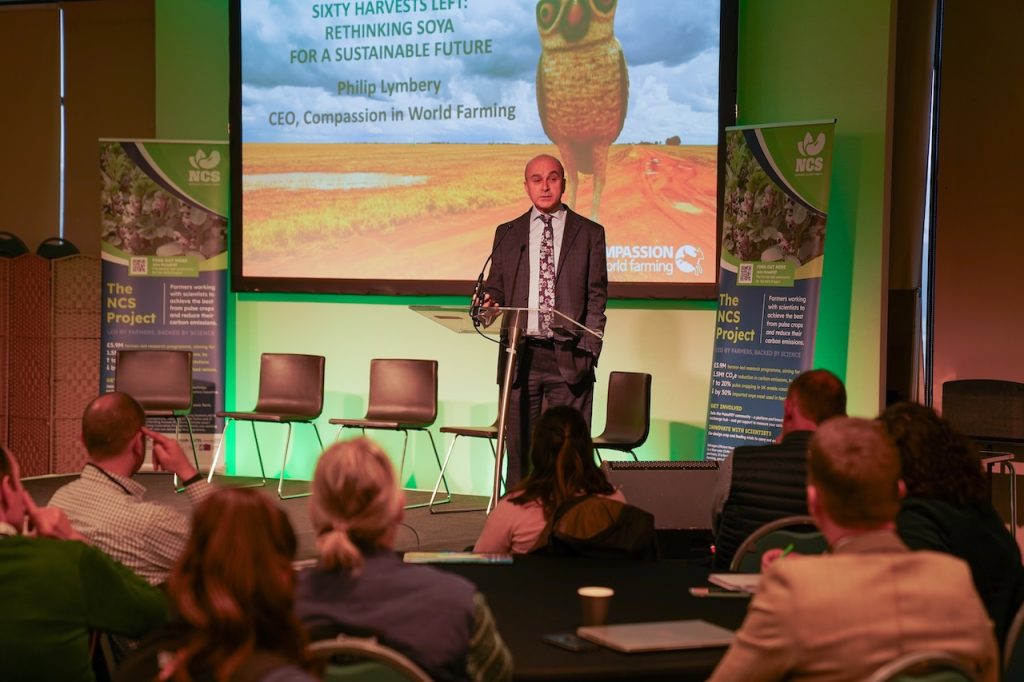
‘From Soya to Sustainability’ will be held on January 22, 2025 at KingsGate Conference Centre, Peterborough. It will bring together farmers, processors, manufacturers, researchers, policymakers and industry leaders to explore innovative strategies for integrating beans and other pulses into livestock diets, reducing the need for imported soya.

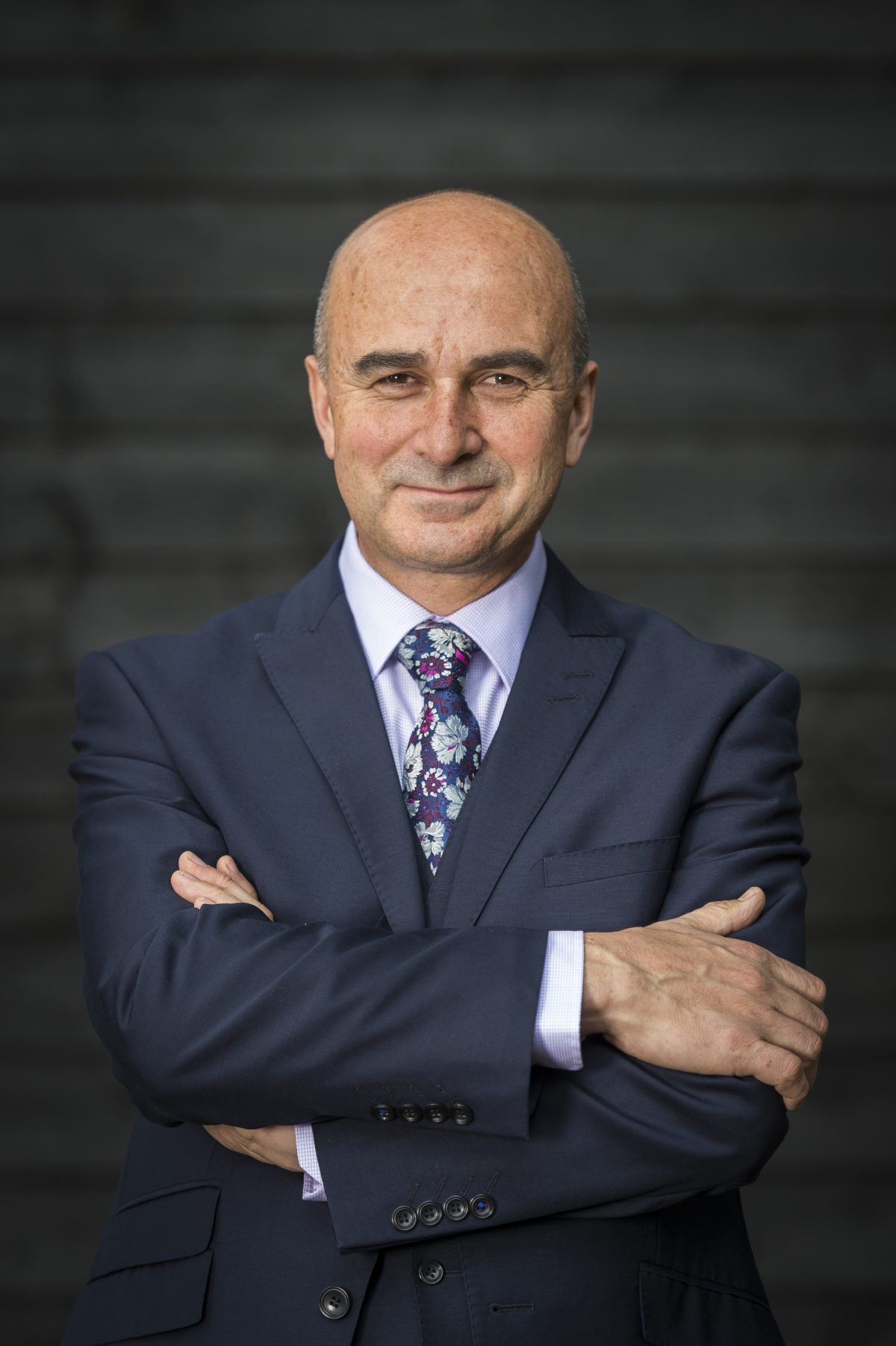
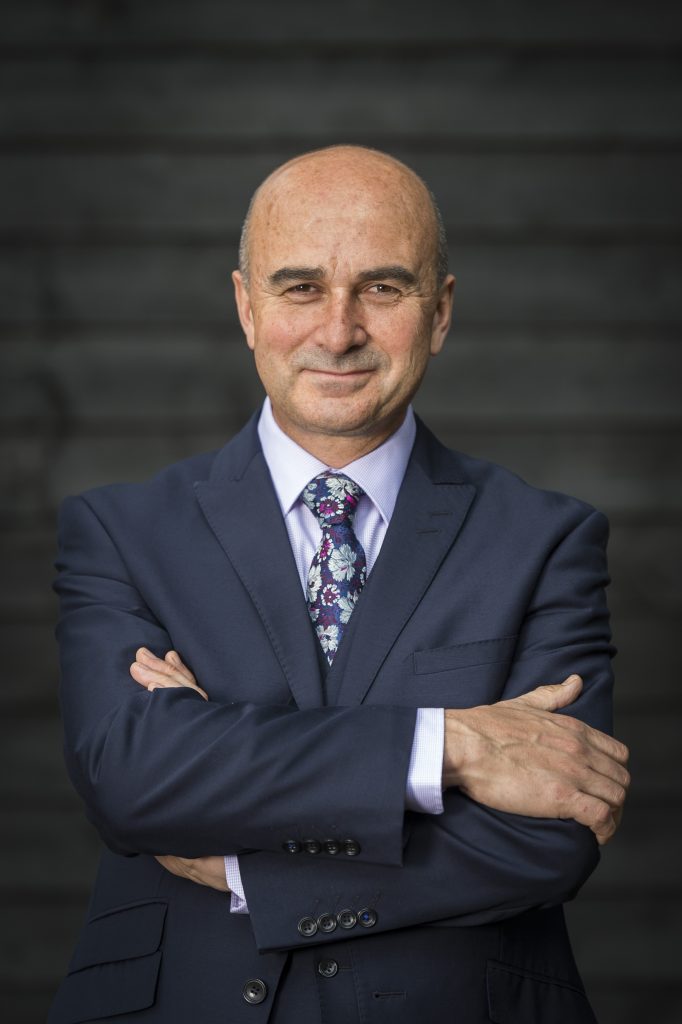
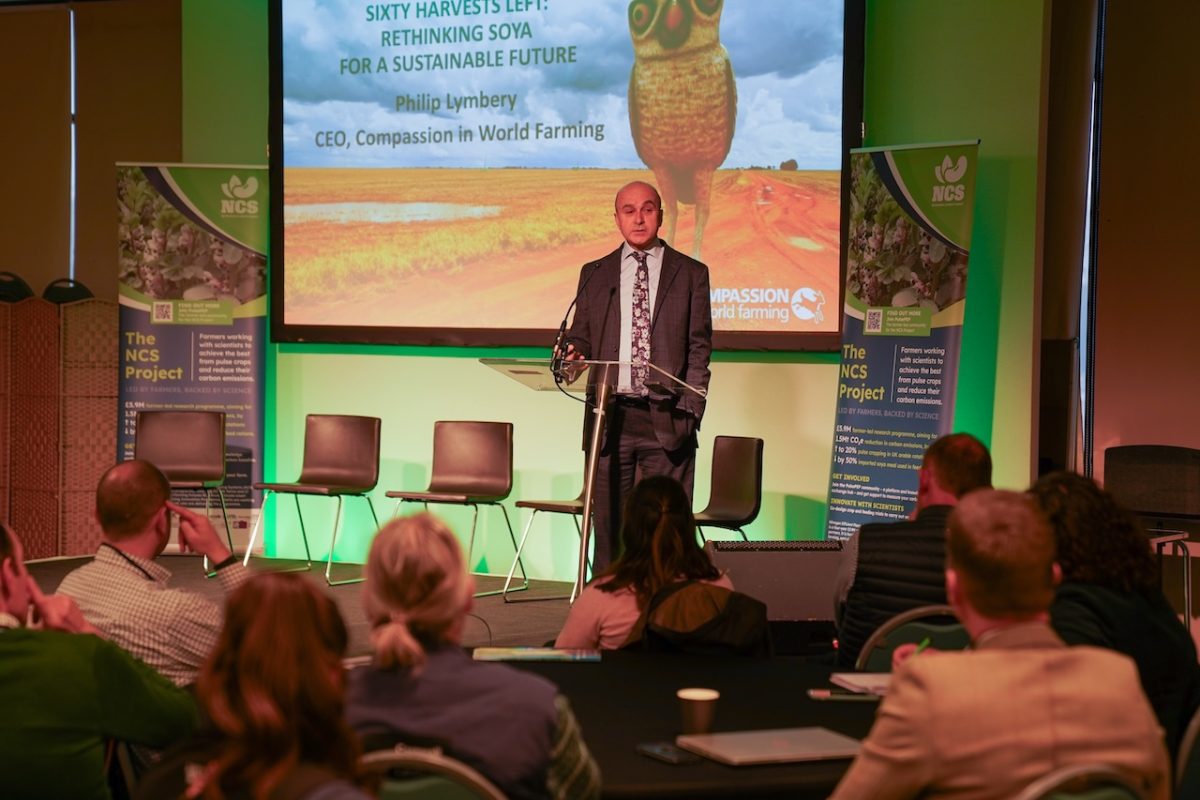
Headline speaker Philip Lymbery will emphasise the urgent need for change in our food systems. Philip is Global Chief Executive of Compassion in World Farming and author of Sixty Harvests Left: How to Reach a Nature-Friendly Future with other roles including visiting Professor at the University of Winchester.

Photo credit: CIWF Richard Dunwoody

He was appointed UN ambassadorial ‘Champion’ for the 2021 Food Systems Summit in New York and co-lead of its Sustainable Livestock Solutions Cluster.

Other speakers will include experts leading the charge for reduced use of soya in the UK who will share the latest research and innovations in the production and use of peas and beans.

There will also be ample networking opportunities enabling delegates to connect with like-minded experts from across the supply chain.

Roger Vickers of PGRO and lead of the NCS Project which is coordinating the event said: “This event is a call to action for all in the agri-food supply chain to play their part in the move from soya to sustainability, which is urgently needed if we are to reduce our environmental impact.

“Growing more pulse crops in the UK and using them in livestock feed would help tackle our dependency on imported soya while also promoting agricultural practices that benefit farmers and the environment. There are multiple wins, but it is not an easy fix.

“We need urgent and concerted action across the supply chain if we are to make a difference. I encourage anyone working in the agri-food supply chain to attend and be part of a movement for change.”

To find out more and secure tickets, click HERE

Categories
NCS

Learn more about carbon footprinting

Farmers are invited to find out more about the Farm Carbon Toolkit calculator via online drop-ins or at a field day.

These will particularly be of interest to Pulse Pioneers whose involvement in the NCS Project includes completing a carbon footprint of their farms, but are open to all farmers who are keen to learn more.

Those attending the FCT field day in Herefordshire on Thursday September 26 will hear from farmers and the FCT team about how farmers are reducing greenhouse gas emissions while building soil health and business resilience. 

Amongst the farmer speakers is host Billy Lewis, Ed Horton, Angus Gowthorpe, Thomas Gent and Tom Burge.

For more information or to book a ticket click here

The online drop-in sessions provide an opportunity to find out how to use the calculator, how to fill in a report and how to get the most from it. 

To attend the online drop-ins simply click the links below at the appropriate time:

Monday 21 Oct 2024 ⋅ 4pm – 5pm
Thursday 21 Nov 2024 ⋅ 1pm – 2pm 

The Farm Carbon Toolkit is a partner within the NCS project